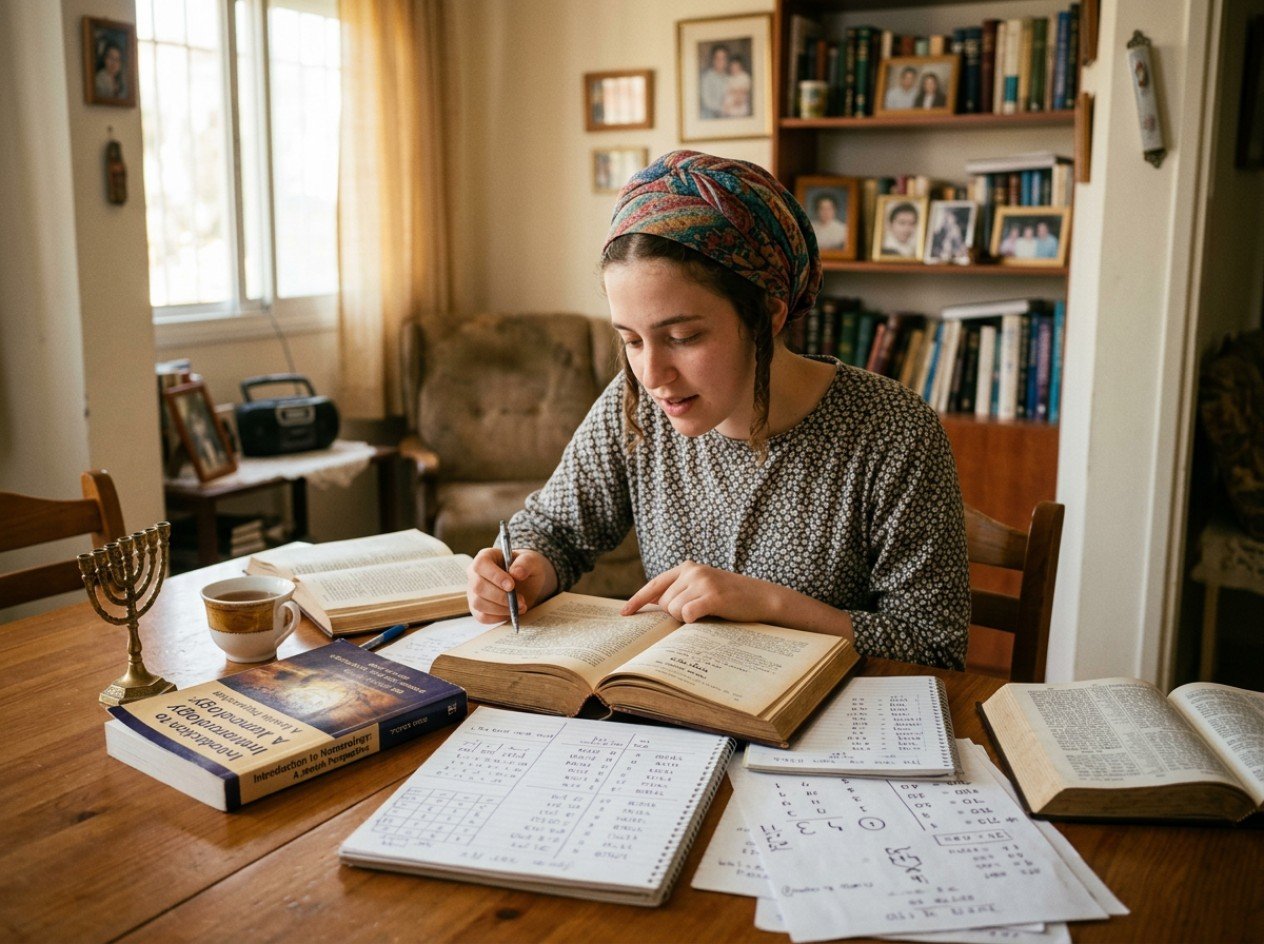
People come to my Kabbalah groups with all kinds of prior exposure to numerology. Some have calculated their life path numbers, some have read about the Pythagorean system, some are devotees of the Chaldean tradition, and a few have had their numerological charts done professionally and arrived curious about whether there is any relationship between what they found there and what I teach.
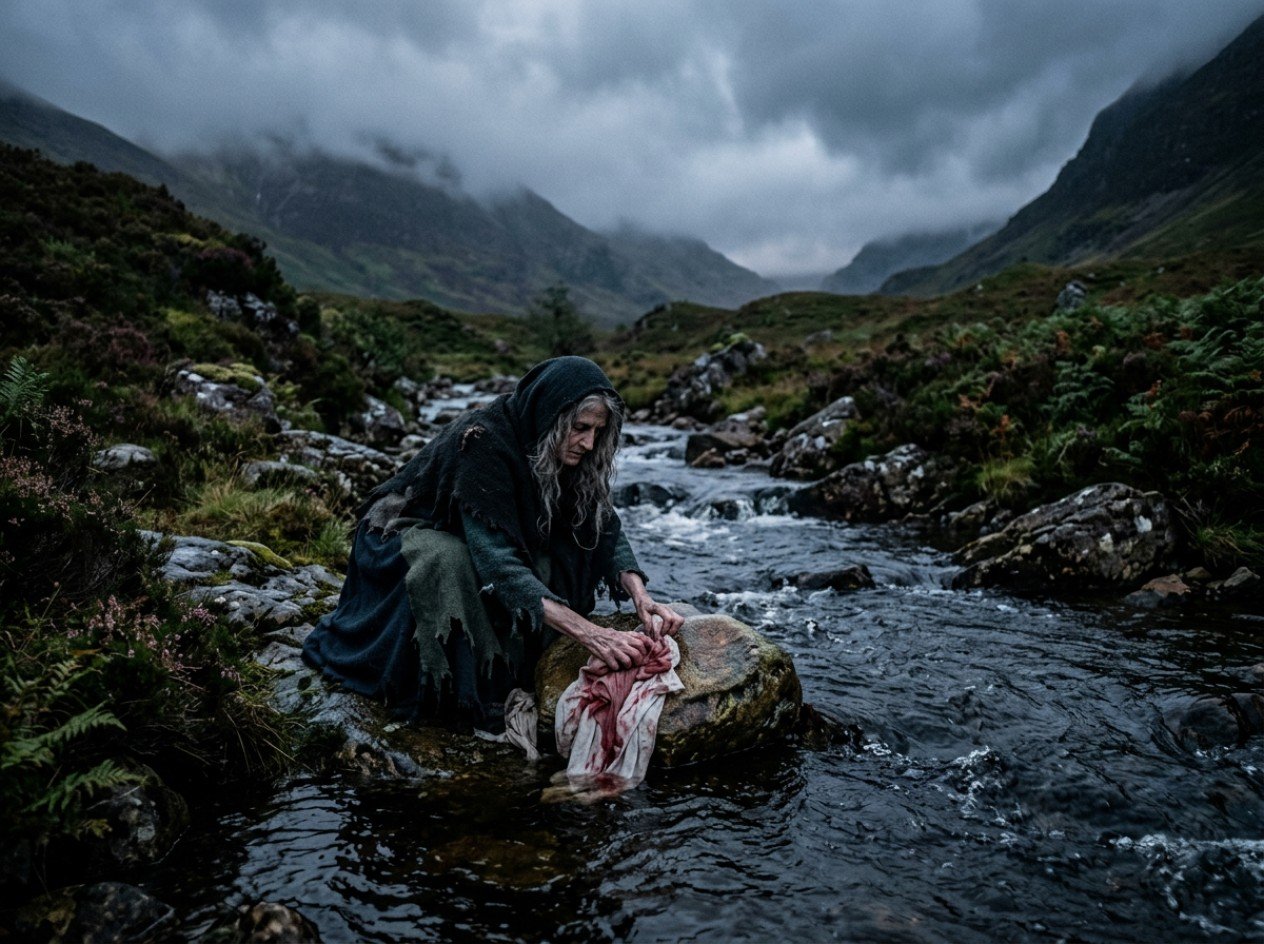
She appears at the edge of the stream, usually at dusk or before dawn, washing clothes that are stained with blood. She is small, sometimes described as wizened and ancient, sometimes as a young woman with red, sometimes webbed feet. If you can get behind her and catch her before she sees you, you can compel her to answer three questions and grant you three wishes.
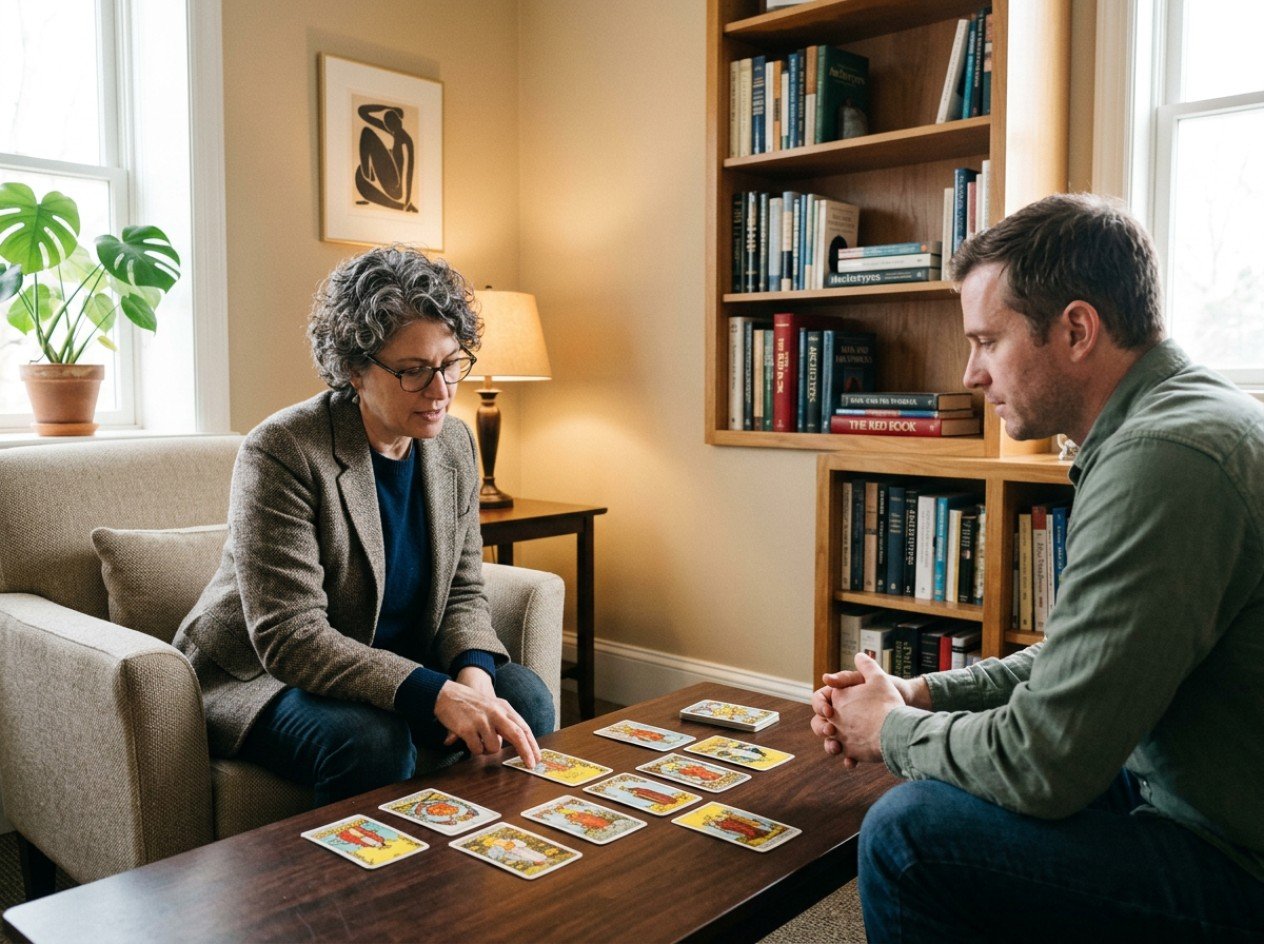
It is important to note that Jung never wrote systematically about tarot. This is worth acknowledging at the outset, because the relationship between Jungian psychology and tarot is sometimes presented as more direct and more authorised than it actually is/was.
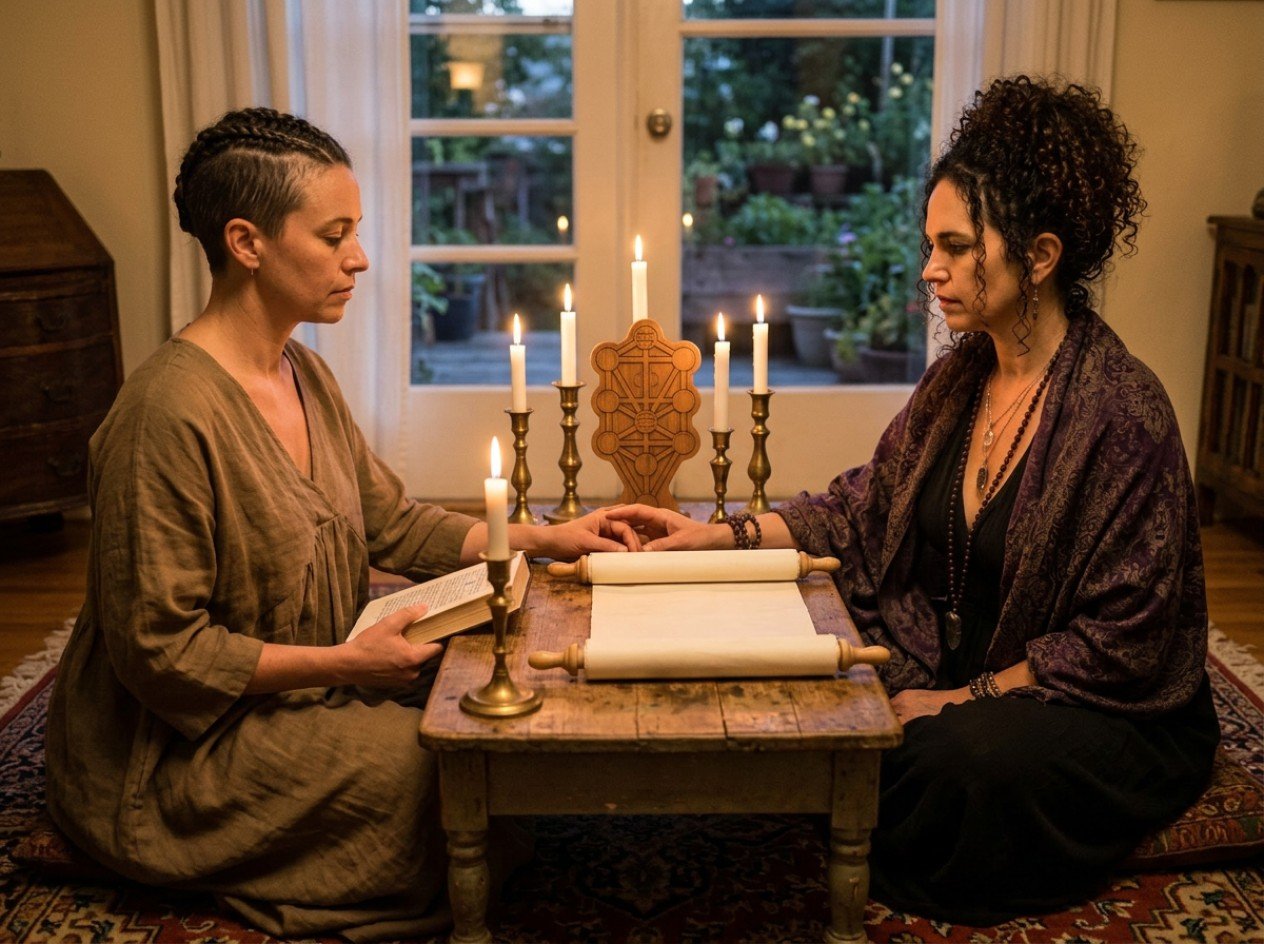
My wife and I have a running joke that living in Greenwich Village means you can walk to a Kabbalistic study group, a drag show, and a five-hundred-year-old printing of the Zohar within the same afternoon, and none of these things are as far apart as they first appear.

I run dream workshops along the West Coast of the US, usually in someone's living room or a rented studio space with too many plants and not enough chairs, and there is one question that comes up in virtually every session I've ever facilitated. It comes up tentatively, often accompanied by a small embarrassed laugh, as though the person asking it suspects they are about to reveal something strange about themselves. Why, they want to know, do I keep having the same dream?
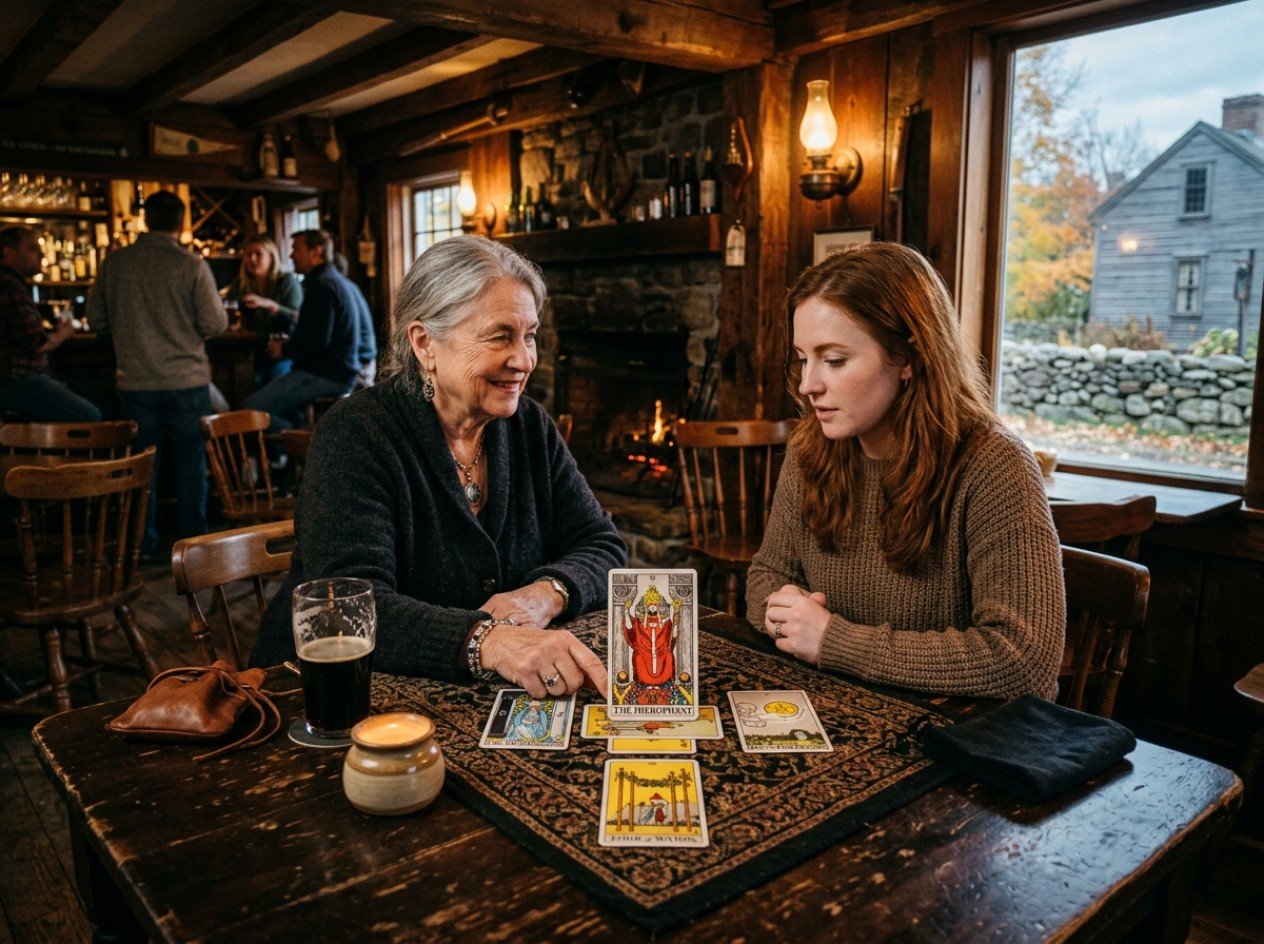
I want to begin with the word itself, because the word is doing rather a lot of work that most people who encounter this card never stop to examine. Hierophant. It comes from the Greek hierophantēs, hieros, sacred, and phainein, to show or reveal.
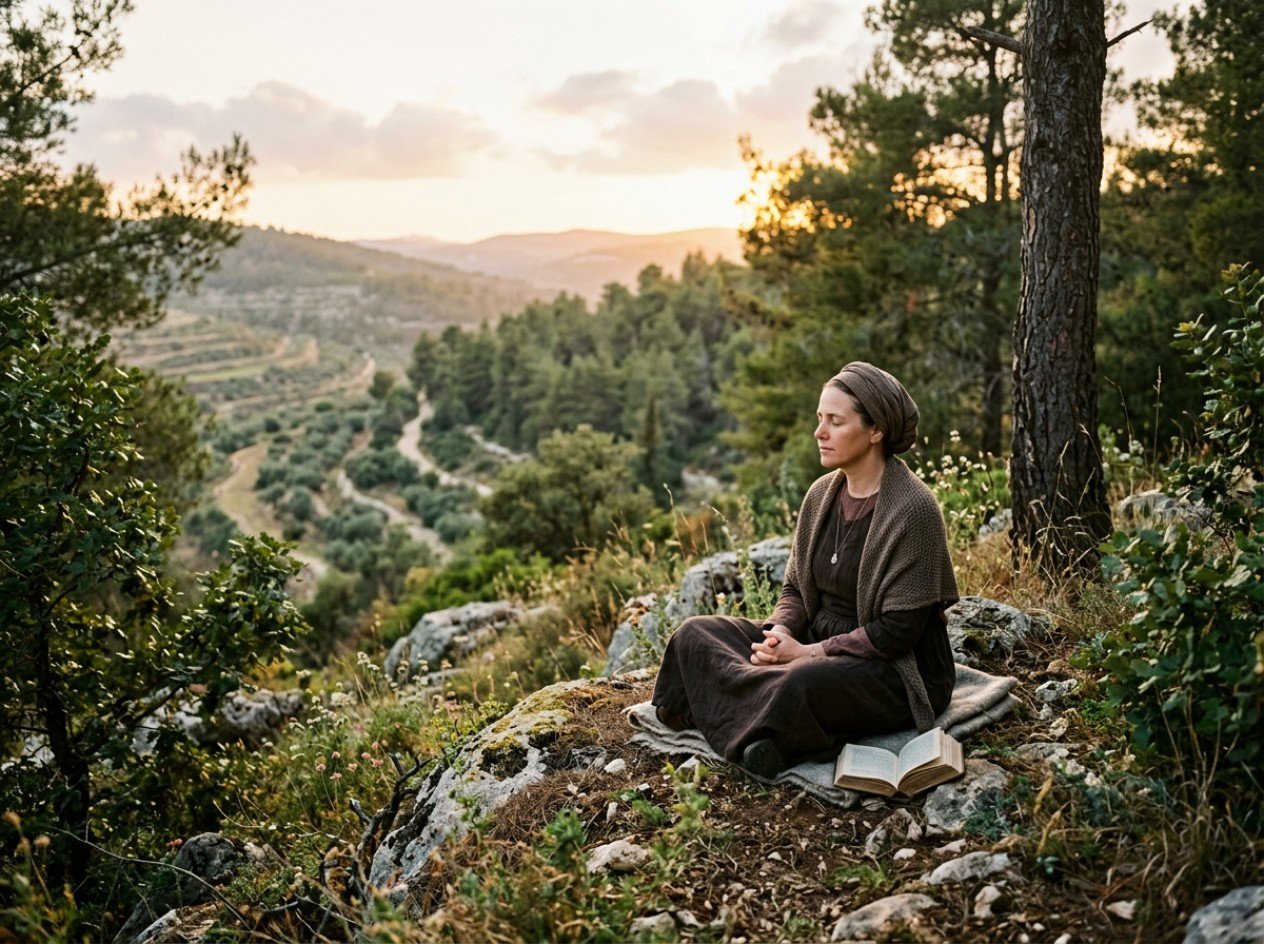
I teach meditation across a lot of traditions, I have certificates in mindfulness-based stress reduction, I trained for three years with a Tibetan Buddhist teacher in Santa Cruz, and I spent a semester sitting with a Zen community in the hills above Berkeley that remains one of the most formative experiences of my adult life. So when I encountered Hitbodedut, the Jewish contemplative practice of spontaneous spoken prayer and radical self-disclosure before the divine, I thought I knew what I was dealing with.

I moved from Boston to Maine several years ago, and there is a particular quality of August morning up here, the light already carrying the first hint of something cooler underneath the summer warmth, the angle of it changed just enough from July to notice, that always sends me back to Chinatown. To Harrison Avenue on a Sunday.

The word idol carries a weight of condemnation it has never entirely deserved. In its Greek original, eidolon, it simply means image or form. But somewhere in the long collision between monotheism and the religious practices it displaced, idol became a term of contempt
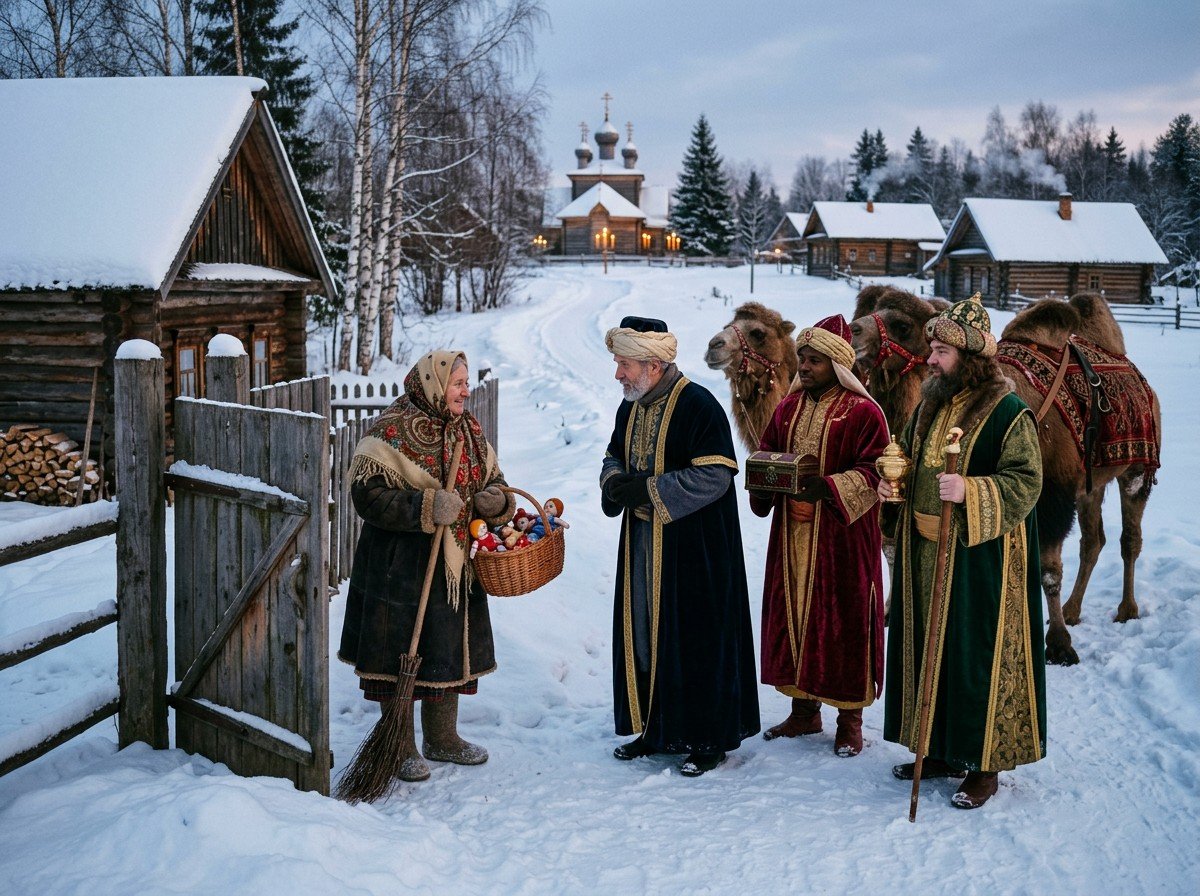
There is an uncomfortable scholarly truth at the heart of the Babushka legend that I feel obligated to address before we go any further, because I think it actually makes the story more interesting rather than less.
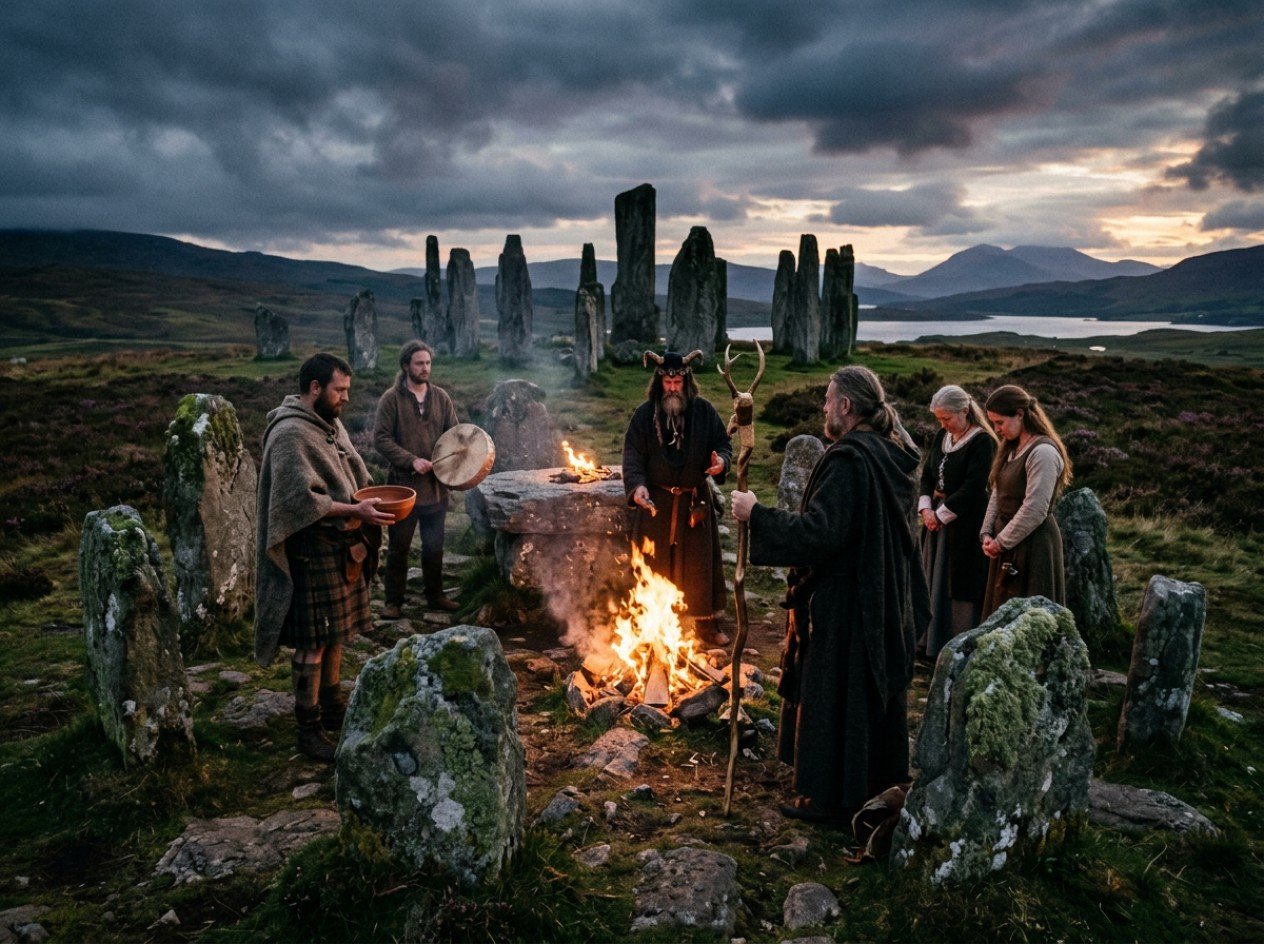
Scotland is one of those places I keep returning to in my research, not just because the landscape itself seems to demand a certain quality of attention, though it does, and anyone who has stood on the Orkney mainland at dawn and looked at the Ring of Brodgar rising from the mist knows exactly what I'm talking about, but because Scottish ritual practice sits at one of the most fascinating intersections I've encountered in thirty plus years of comparative work I've engaged in.
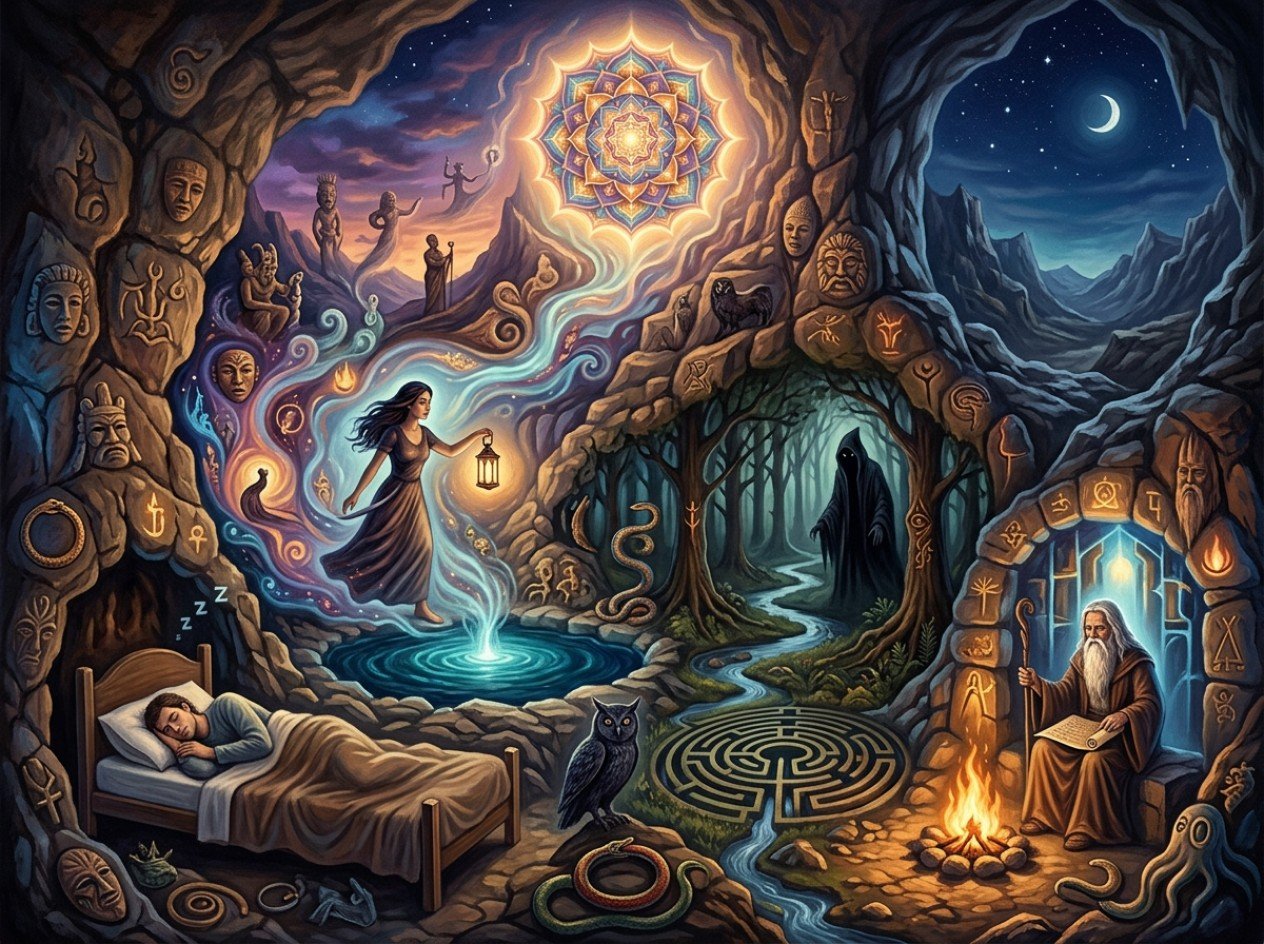
Of all the questions I get asked, and after years of working with dreams, I get asked a lot of them, the one that comes up most consistently, most urgently, and with the most visible mixture of embarrassment and genuine bewilderment, is this one, "Why am I dreaming about my ex?" We broke up years ago.
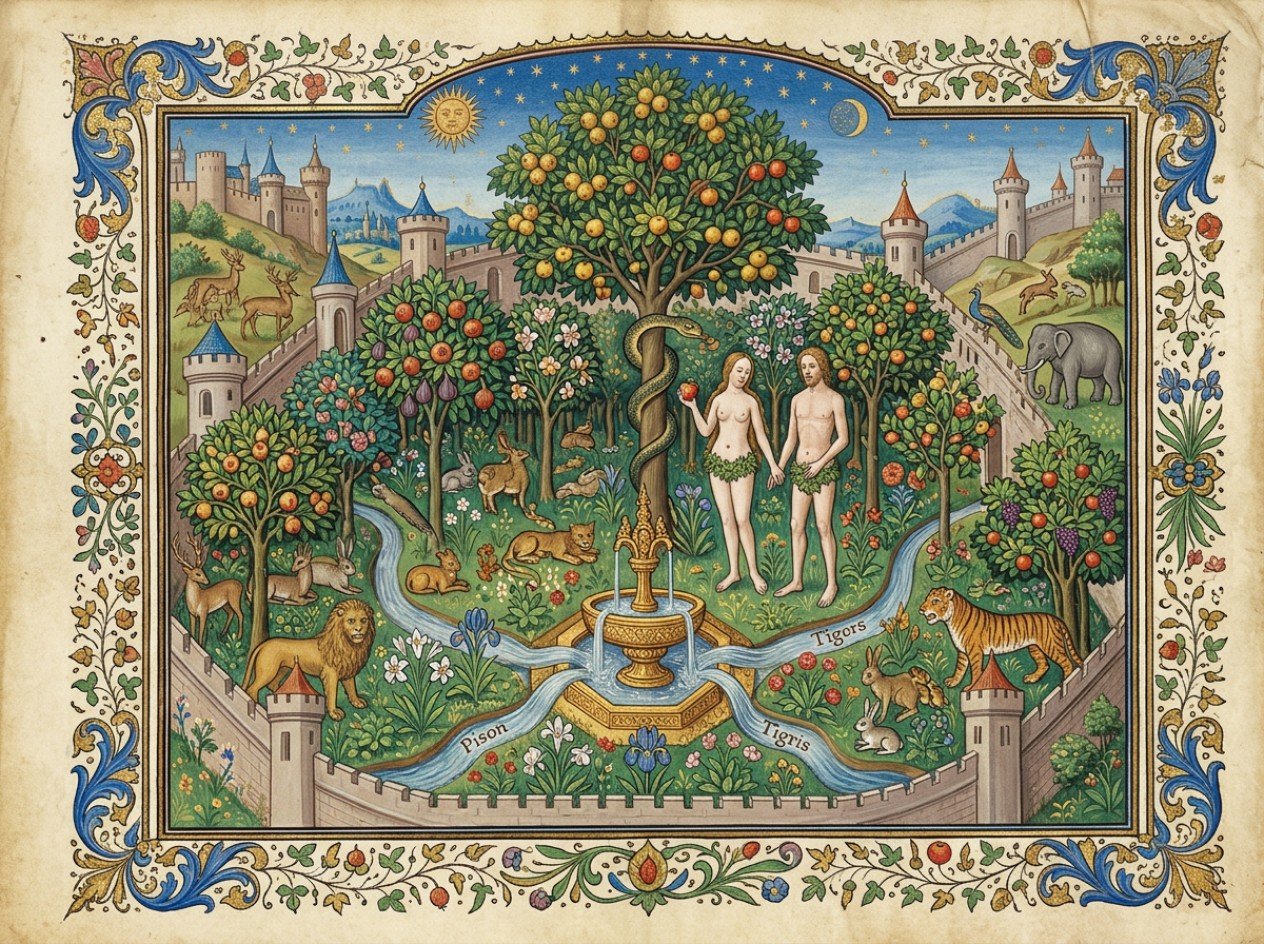
Every morning when I walk from my apartment to the synagogue, down through the Village, past the coffee shops just opening and the last of the night people still heading home, I think about the Garden of Eden. Not as a place. As a condition.
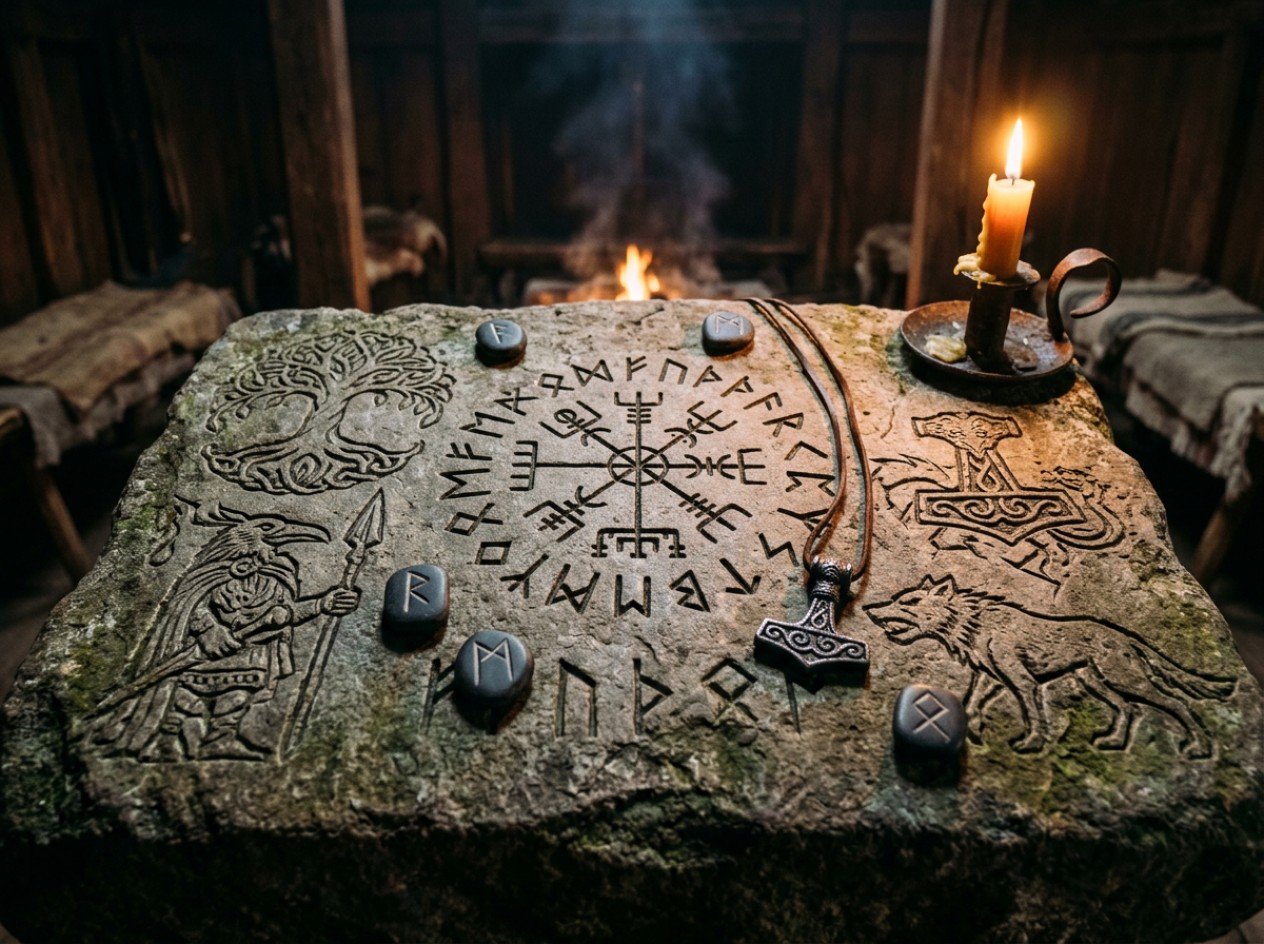
My first serious encounter with runes was in a graduate seminar on symbolic systems in pre-literate cultures, somewhere in the mid-nineties, in a classroom that smelled of old carpet and someone's lunch.
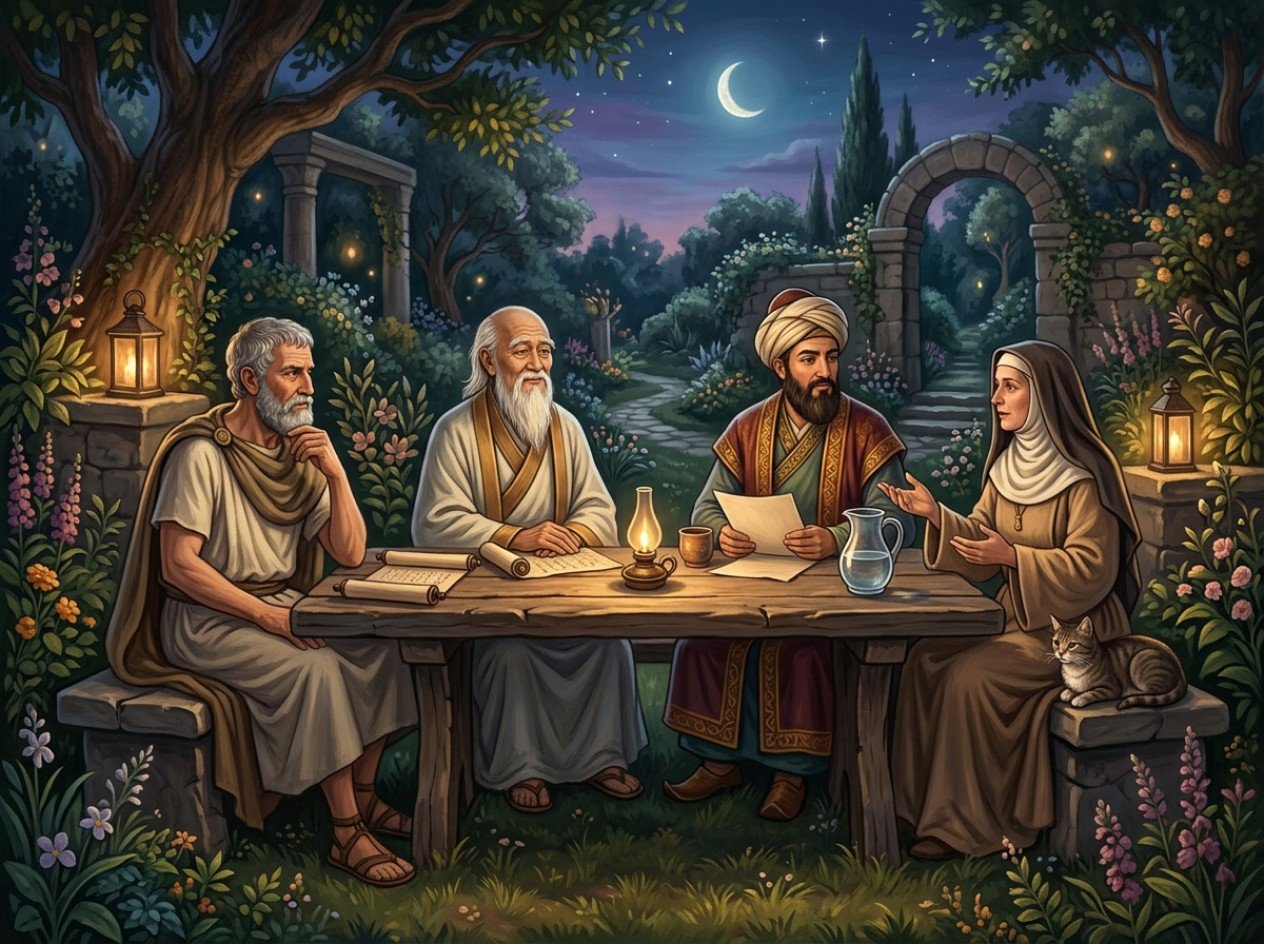
After twenty years sitting with people in my counselling practice, couples who can't stop fighting, individuals who can't stop choosing the wrong partners, people who love each other deeply and have somehow still managed to make a complete mess of things etc., I have become quietly convinced that the most useful relationship advice is very old.
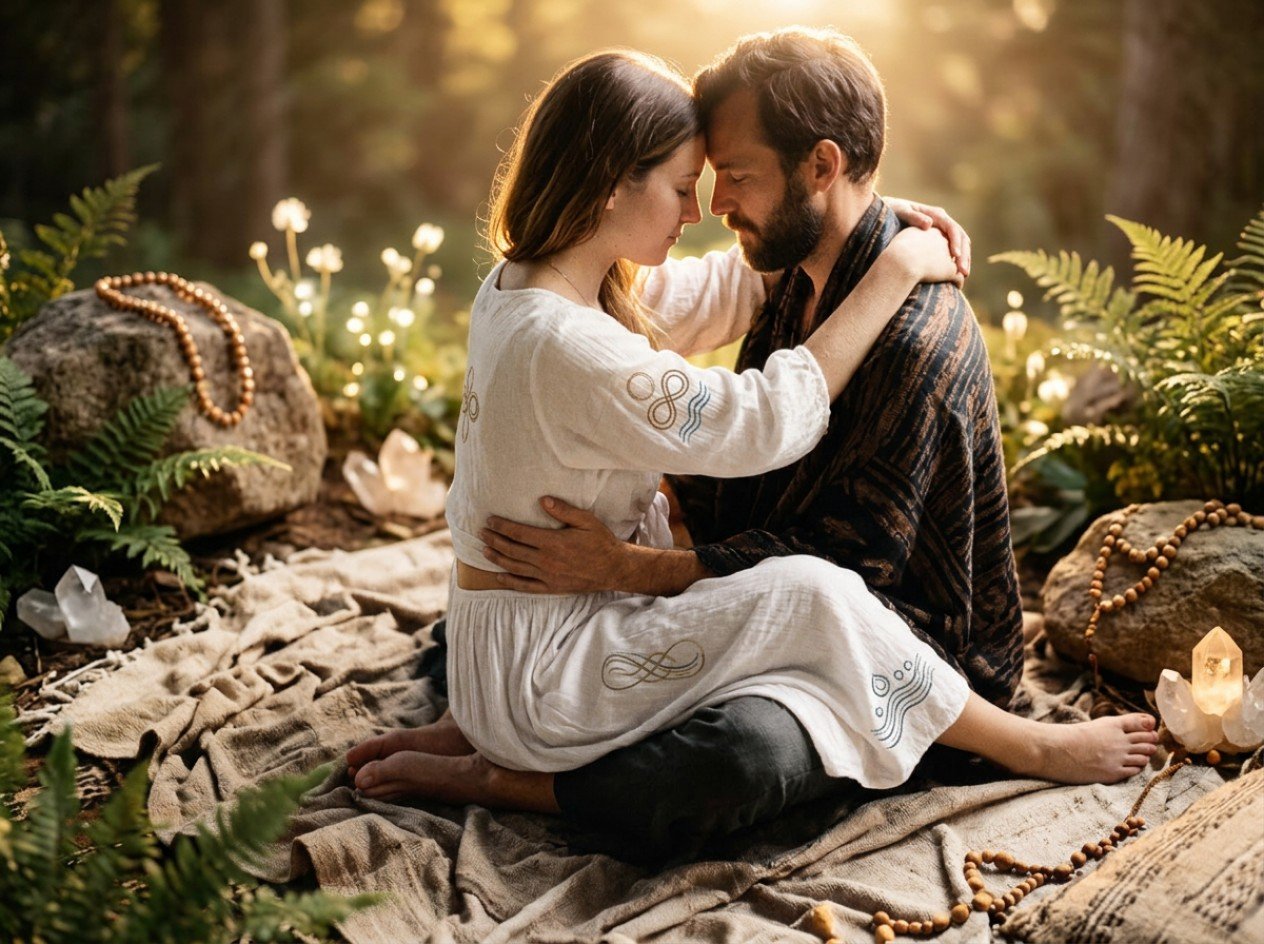
I've been sitting with this topic for a while, the way I sit with most things that feel important, a little cross-legged on my back porch with tea going cold beside me and the the morning fog still sitting over the bay. Gender and sexuality.
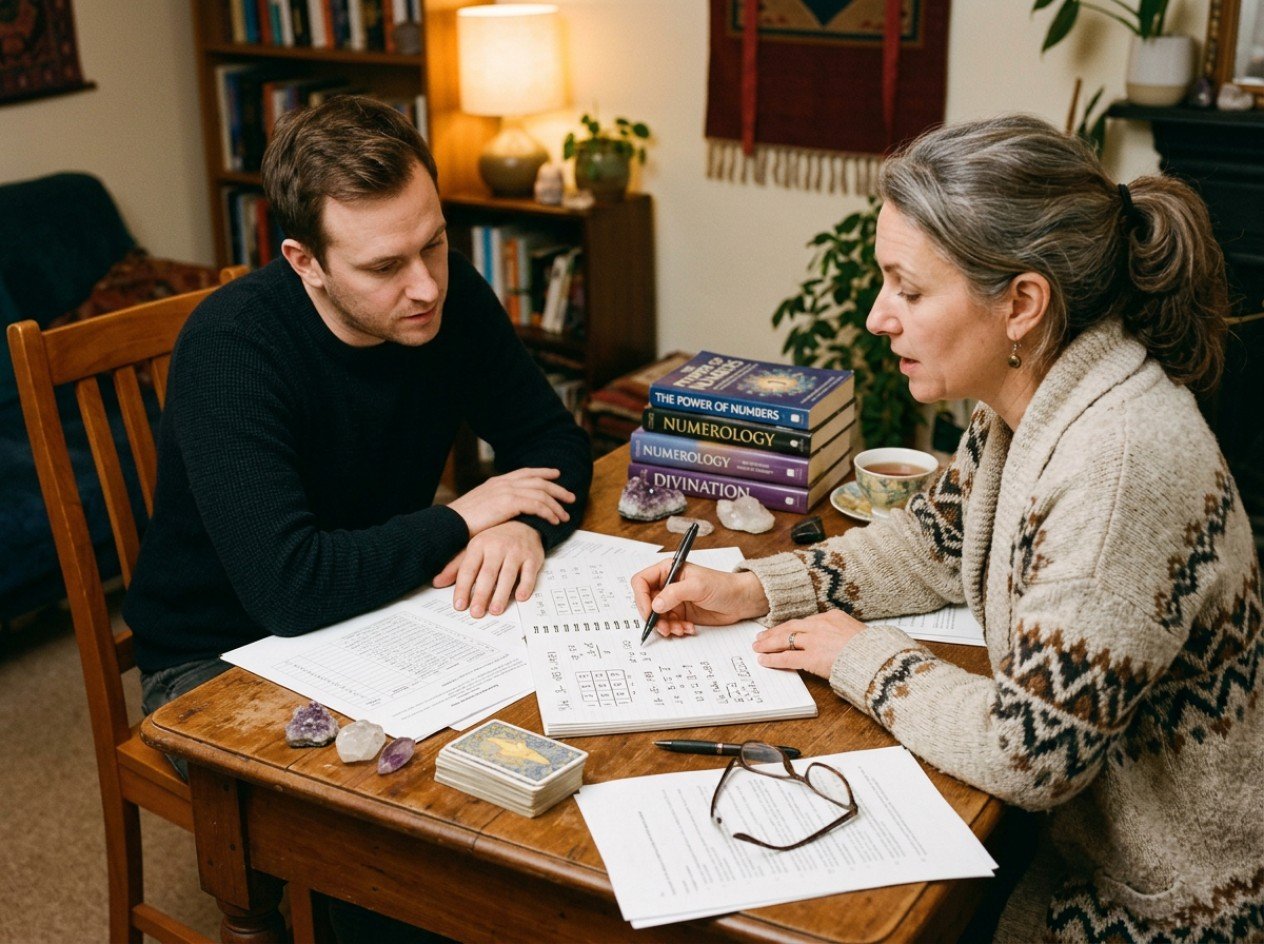
There is a long tradition, considerably longer than the sceptical tradition I was trained in, that holds the opposite view with remarkable consistency across cultures and centuries. The Pythagoreans, and yes, we mean Pythagoras himself, the same man whose theorem you learned at school, working in southern Italy in the sixth century BCE, believed that numbers were not merely useful abstractions but the actual substance of reality.

I should say upfront that I came to this subject sideways, the way academics usually come to anything that matters. My formal training is in cognitive psychology and continental philosophy, and for the first fifteen years of my career I would have been politely dismissive of anything involving the phrase "third eye."
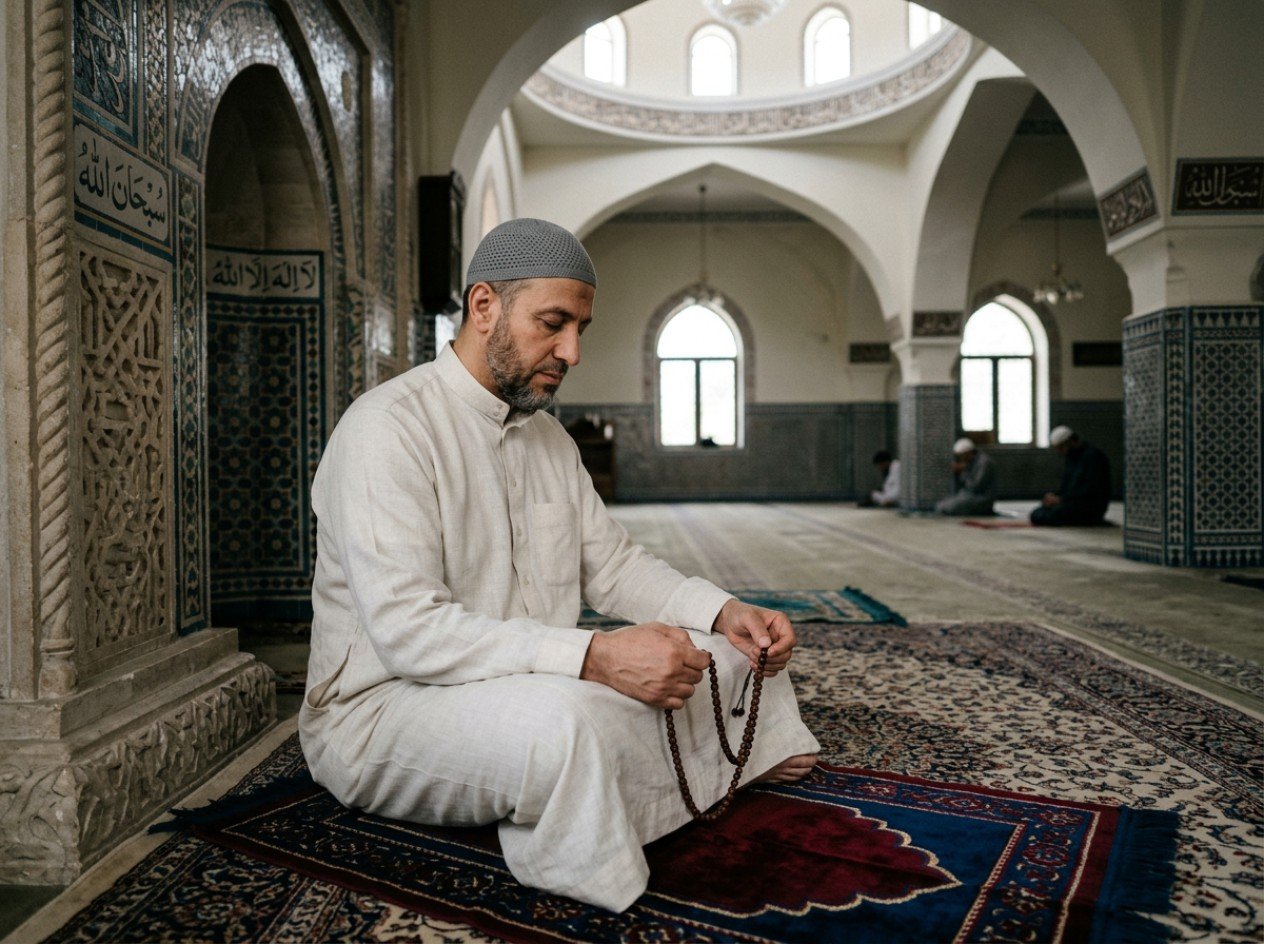
When I was in my twenties, long before I settled on the West Coast, I spent several years travelling through North Africa, Turkey, and parts of the Middle East. During that time, I had the privilege of sitting with Islamic scholars, teachers, and students who generously shared not only their knowledge but also their hospitality.
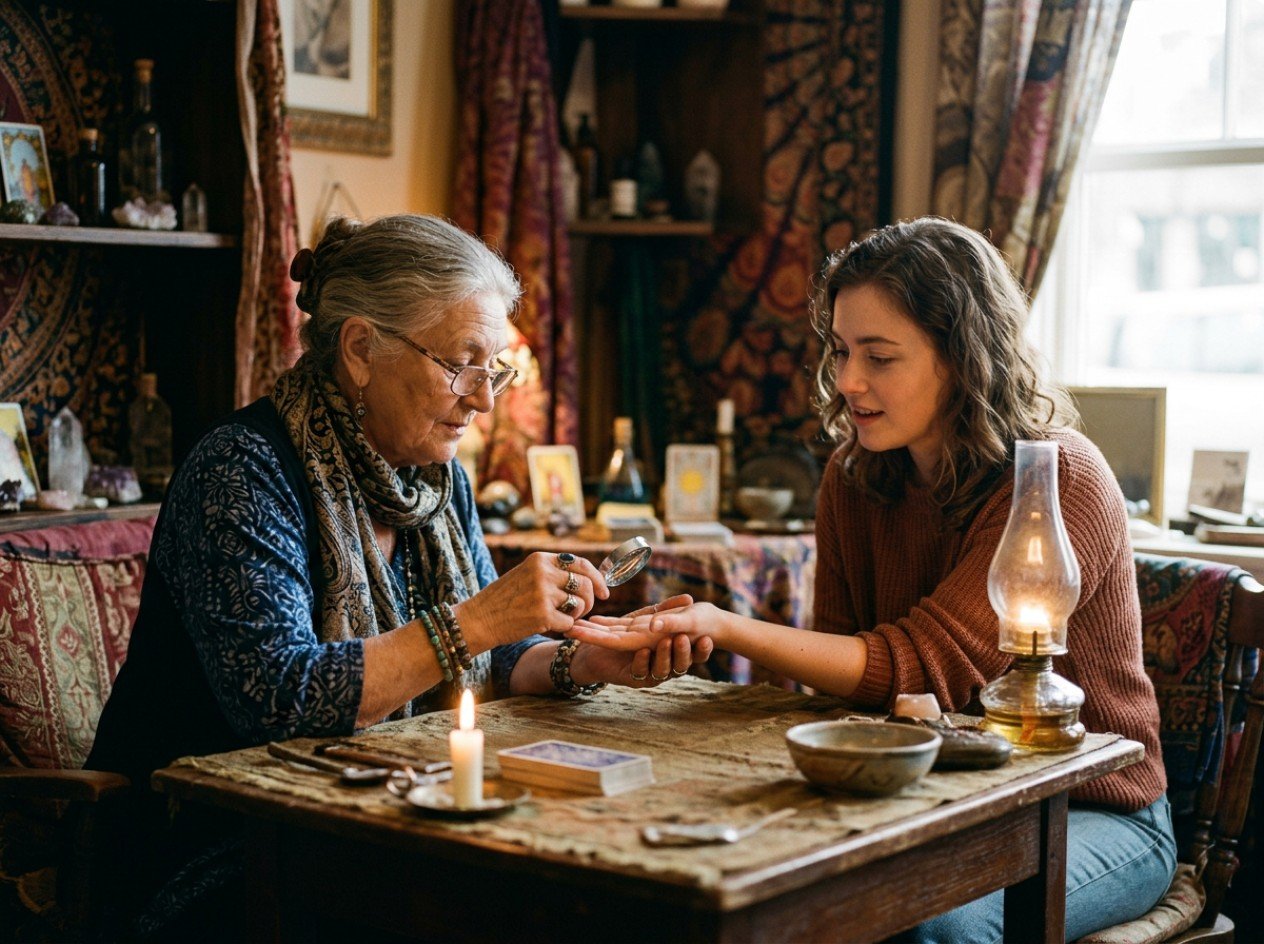
Over the years, my travels have taken me through Eastern Europe, the Balkans, North Africa, the Middle East, and across much of Western Europe. Along the way I became fascinated not simply by different religions, but by the symbolic languages people use to understand themselves.
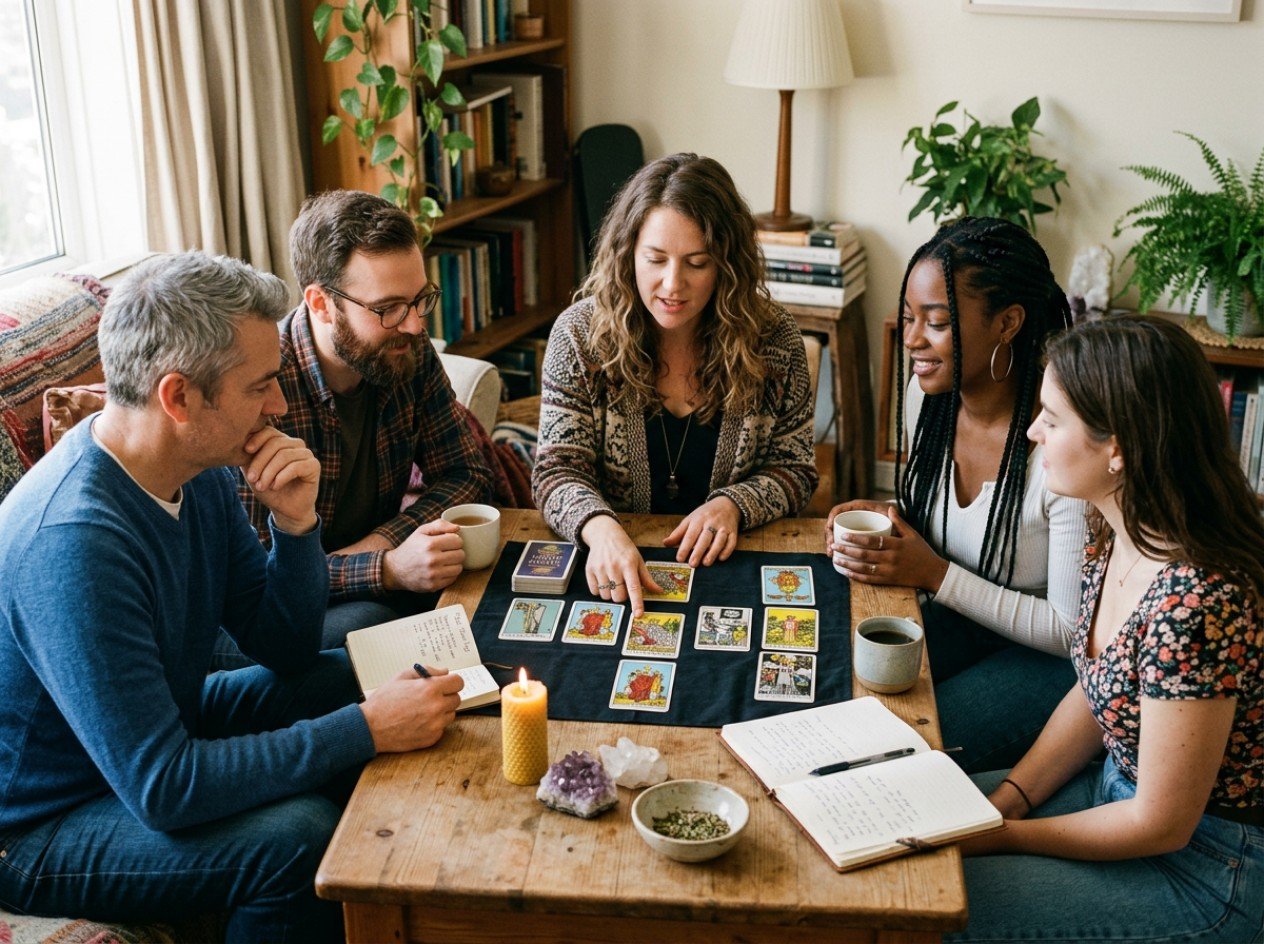
When students ask me why tarot has endured for centuries despite enormous cultural and technological change, I often suggest that they begin by setting aside the idea that tarot exists primarily to predict the future.
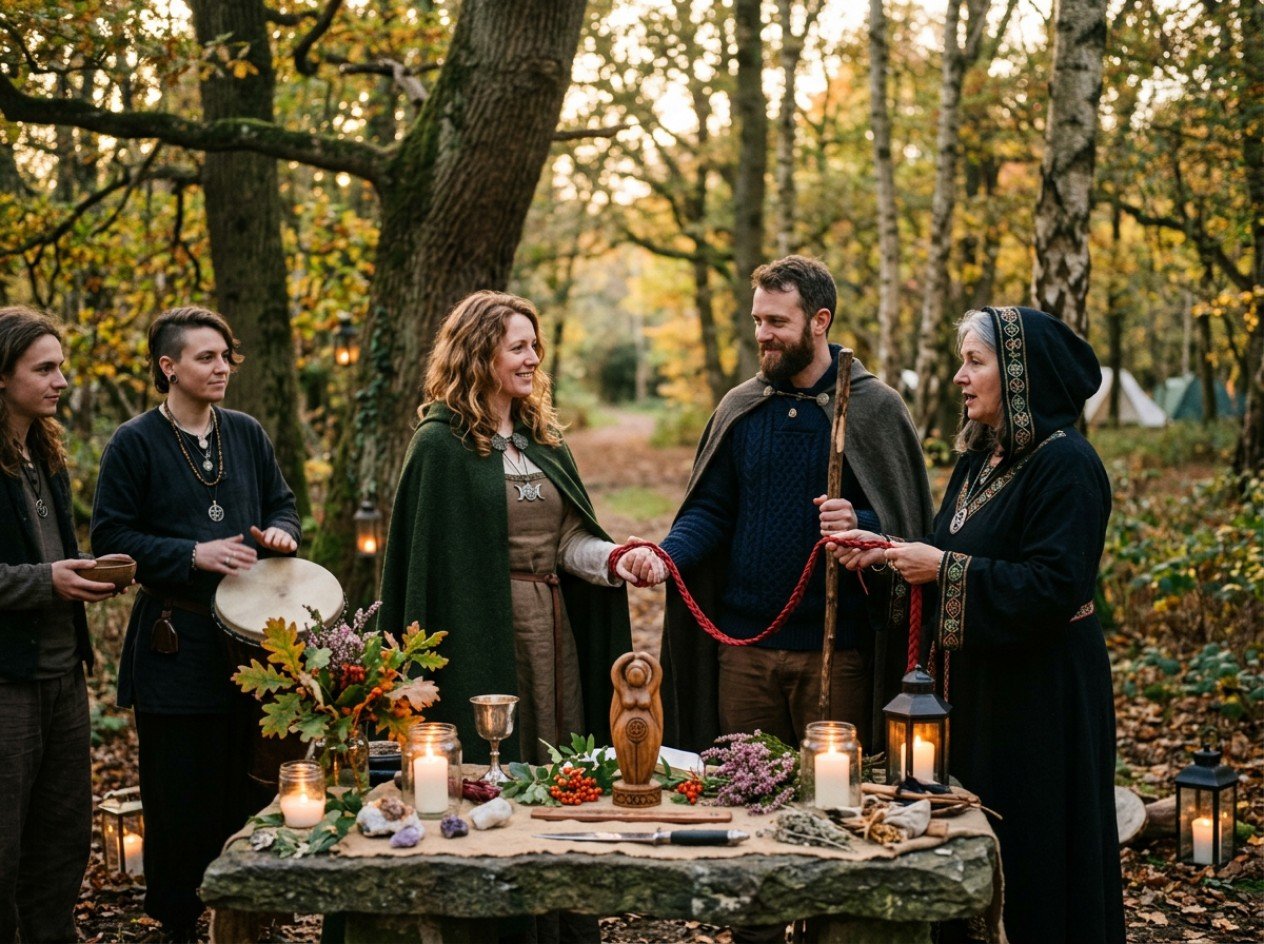
Living in a small town on the coast of Maine has taught me that the changing seasons are more than entries on a calendar. Here, winter announces itself with quiet determination, spring arrives almost shyly, summer fills the forests with birdsong, and autumn transforms the landscape into brilliant shades of crimson and gold.
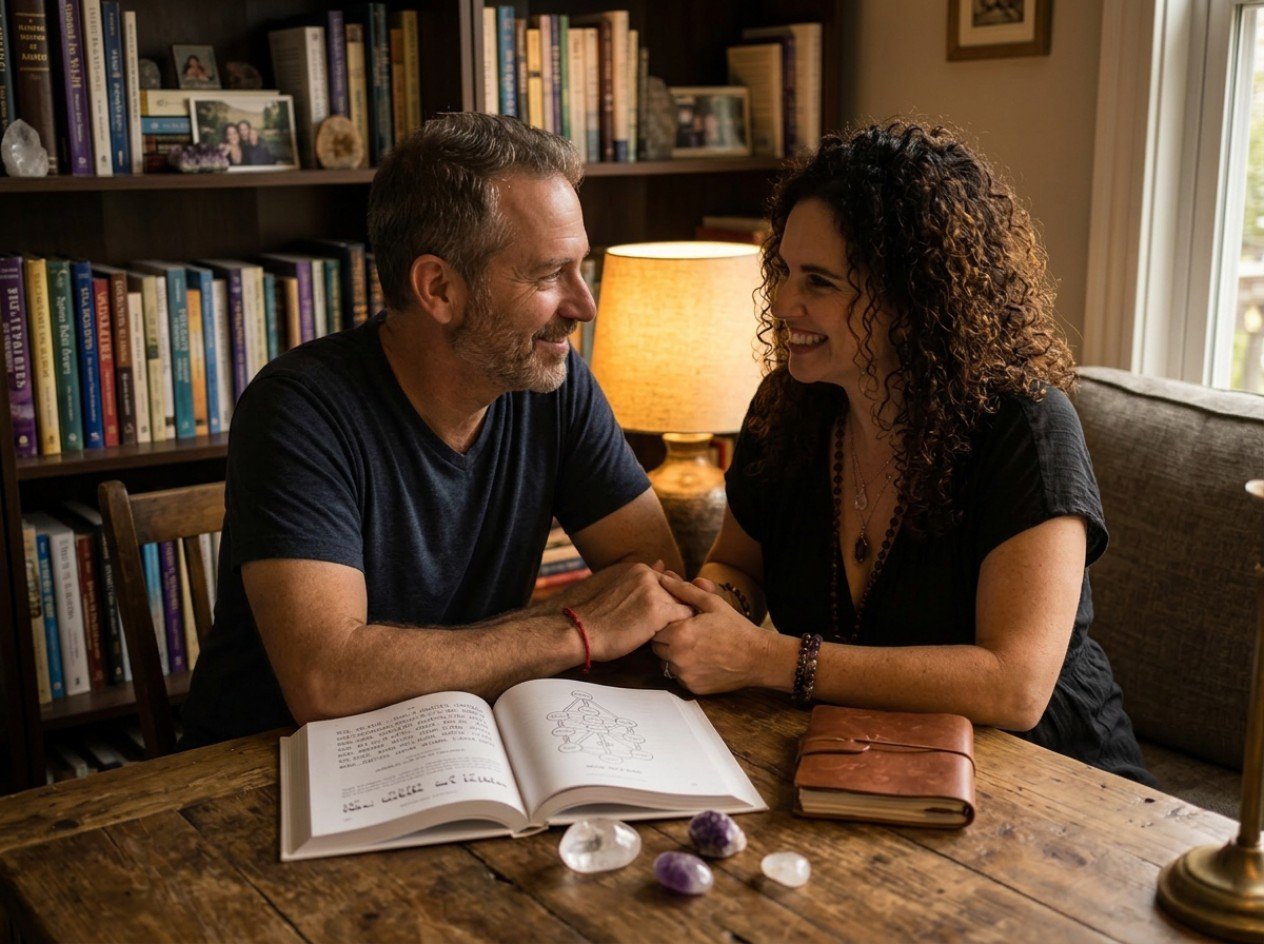
If there's one thing living in New York has taught me, it's that fear wears many different faces. Sometimes it's loud and obvious, the anxiety of losing a job, worrying about someone you love, or facing an unexpected diagnosis. Other times it's much quieter.
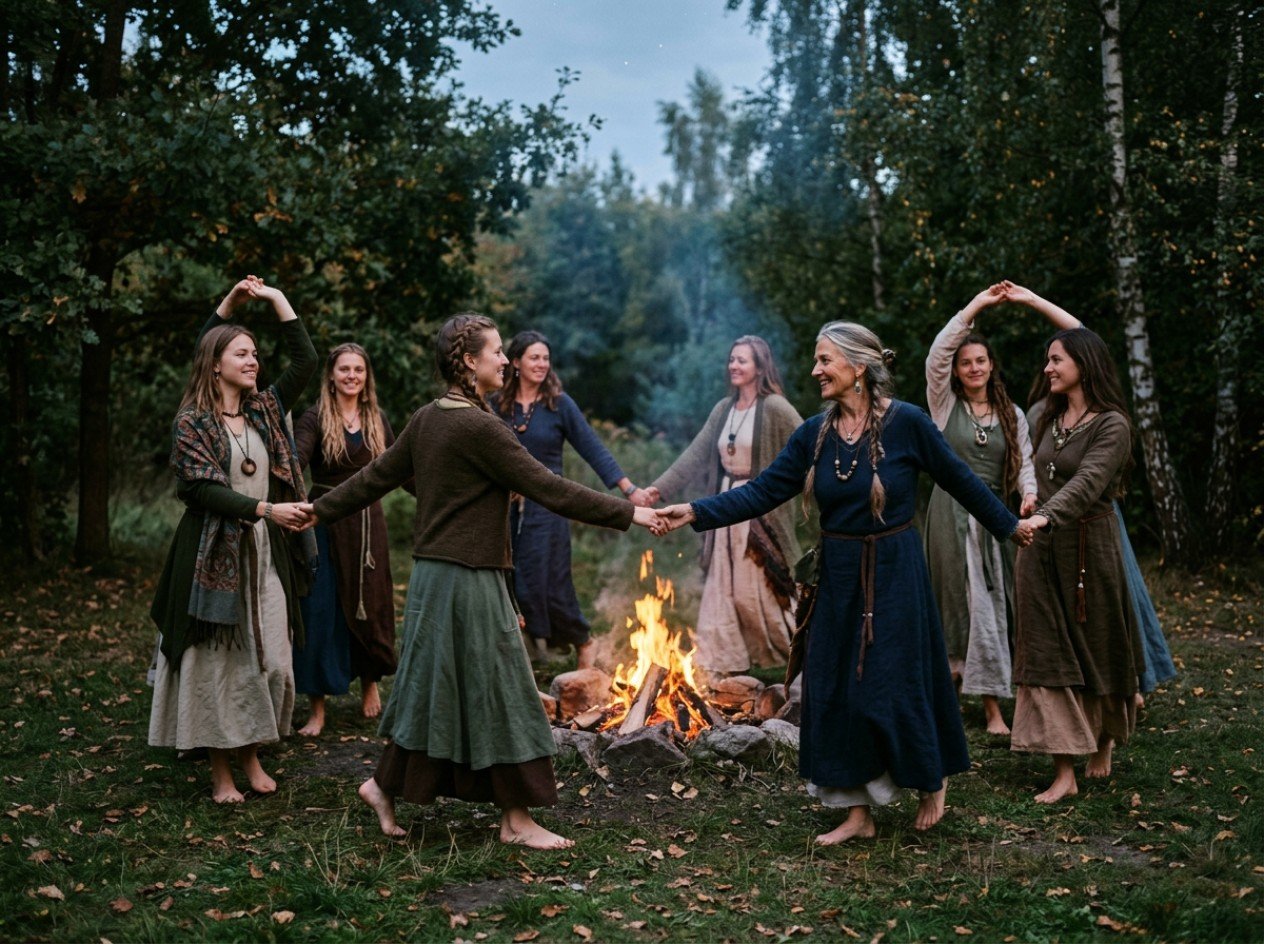
Living on the West Coast, I've had the opportunity to meet people from an extraordinary variety of spiritual backgrounds. Some attend churches, others meditate in Zen centres, some practice yoga, and others identify as Pagan or Wiccan.
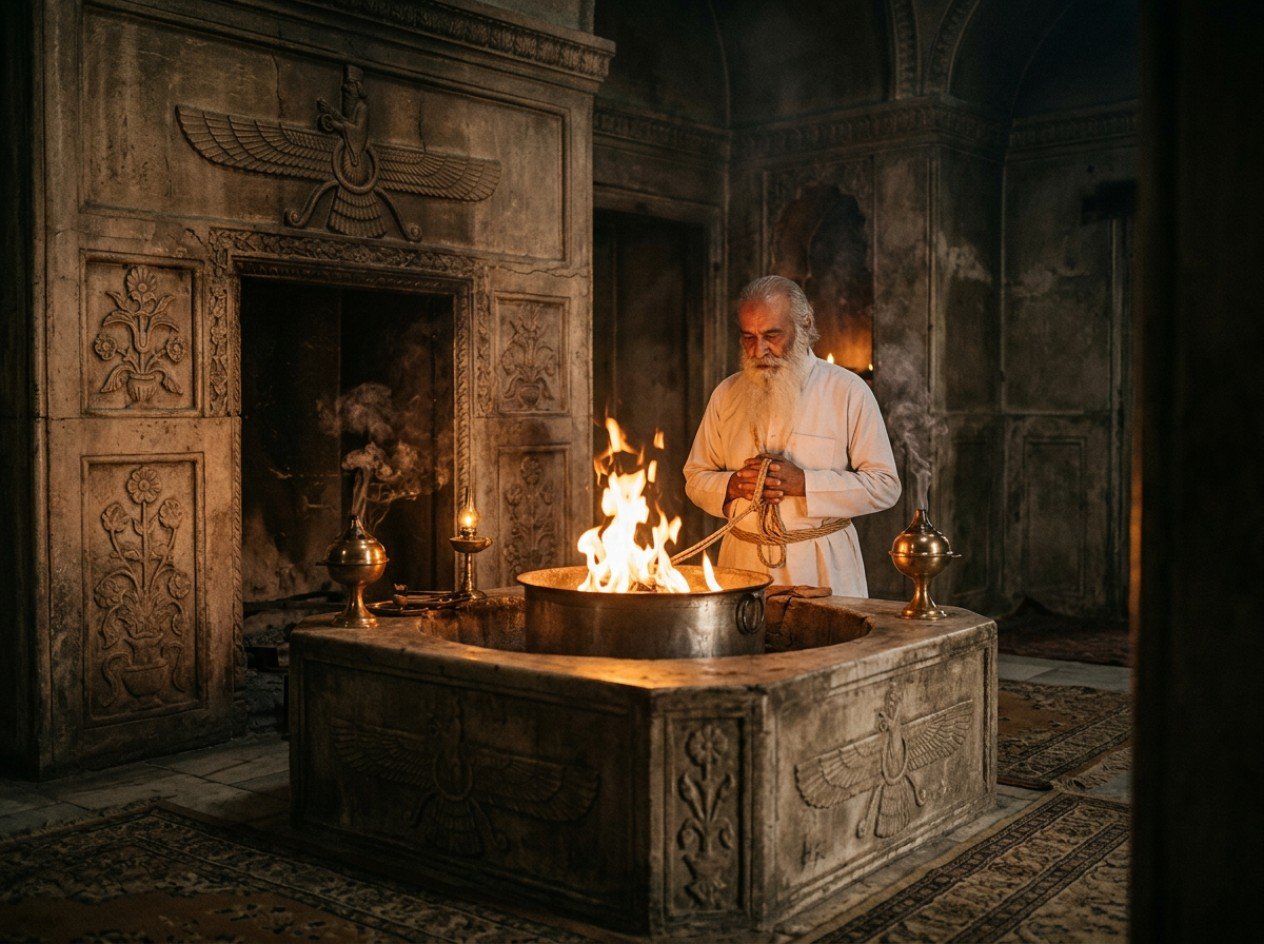
When students first encounter Zoroastrianism, they are often surprised to learn that it is one of the world's oldest continuously practised religions. Founded in ancient Persia, probably sometime between 1500 BCE and 1000 BCE—although scholars continue to debate the precise dates—it has profoundly influenced the development of later religious traditions, including Judaism, Christianity, and Islam.