

Home Blog
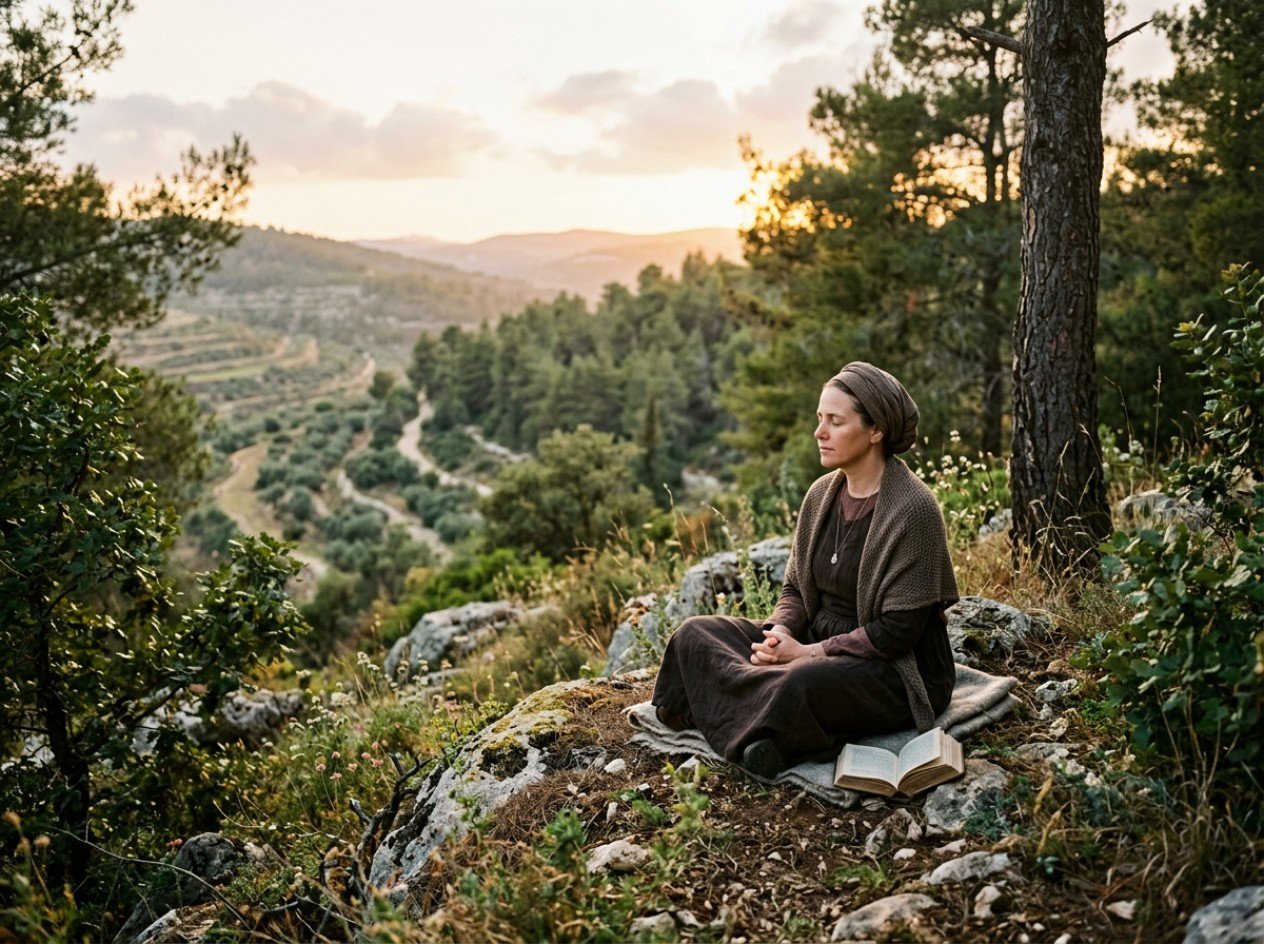
I teach meditation across a lot of traditions, I have certificates in mindfulness-based stress reduction, I trained for three years with a Tibetan Buddhist teacher in Santa Cruz, and I spent a semester sitting with a Zen community in the hills above Berkeley that remains one of the most formative experiences of my adult life. So when I encountered Hitbodedut, the Jewish contemplative practice of spontaneous spoken prayer and radical self-disclosure before the divine, I thought I knew what I was dealing with.
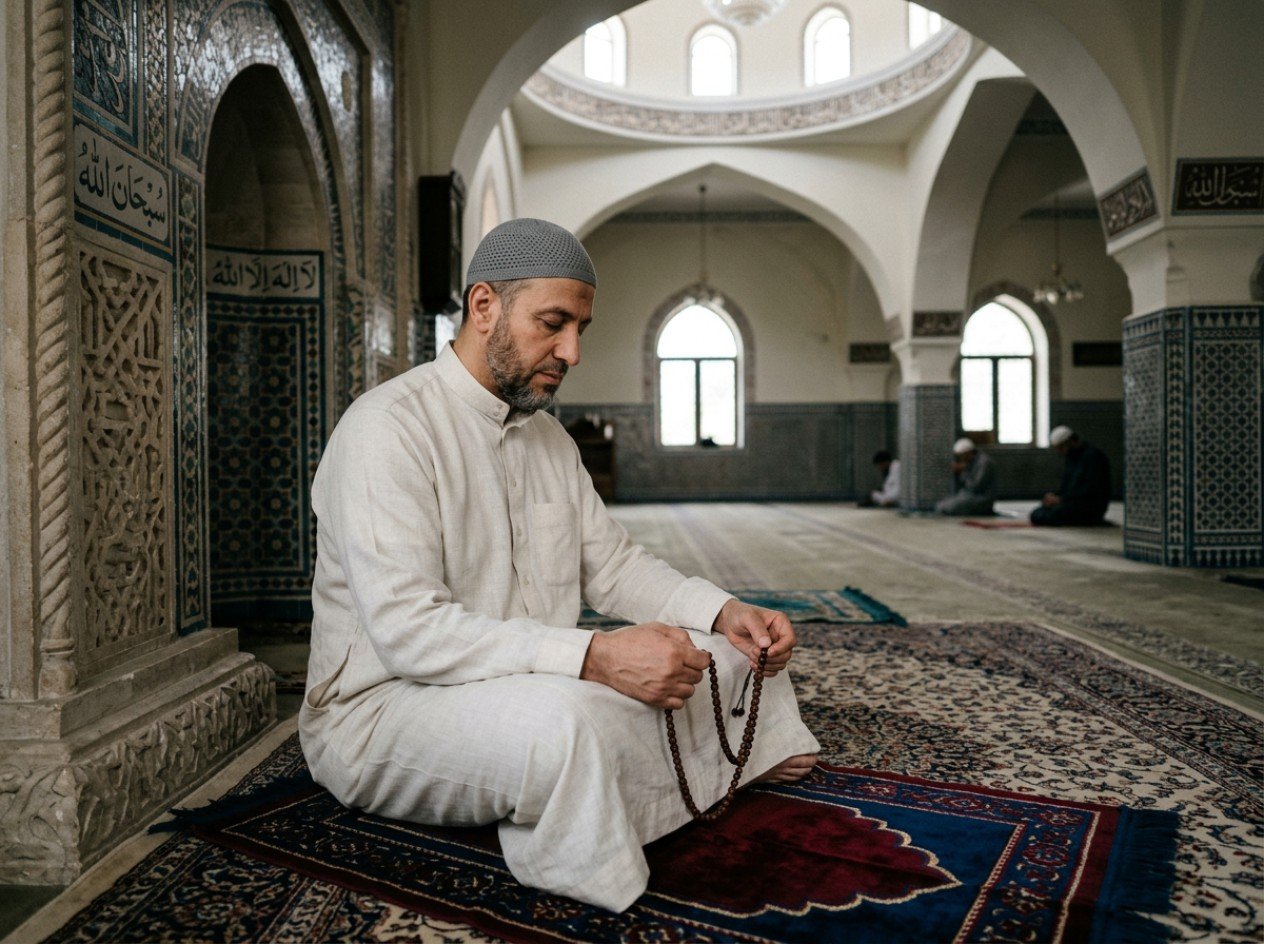
When I was in my twenties, long before I settled on the West Coast, I spent several years travelling through North Africa, Turkey, and parts of the Middle East. During that time, I had the privilege of sitting with Islamic scholars, teachers, and students who generously shared not only their knowledge but also their hospitality.
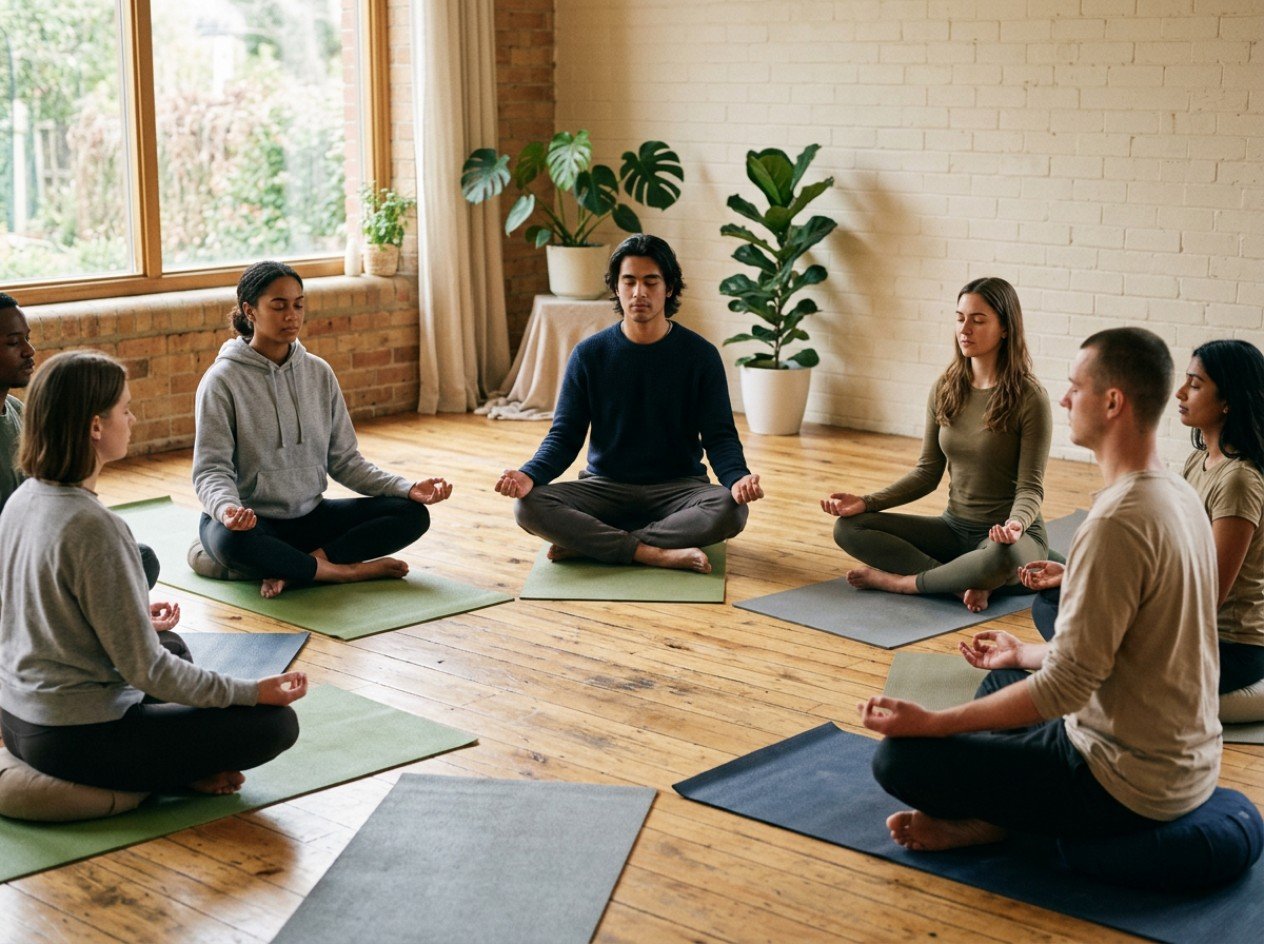
One of the reasons I continue returning to meditation after all these years is that it doesn't simply help me feel calmer, it helps me think more clearly. Living on the West Coast, where mindfulness classes, hiking trails, yoga studios, and meditation retreats are woven into everyday life, I've met people from every imaginable background who have discovered something similar.
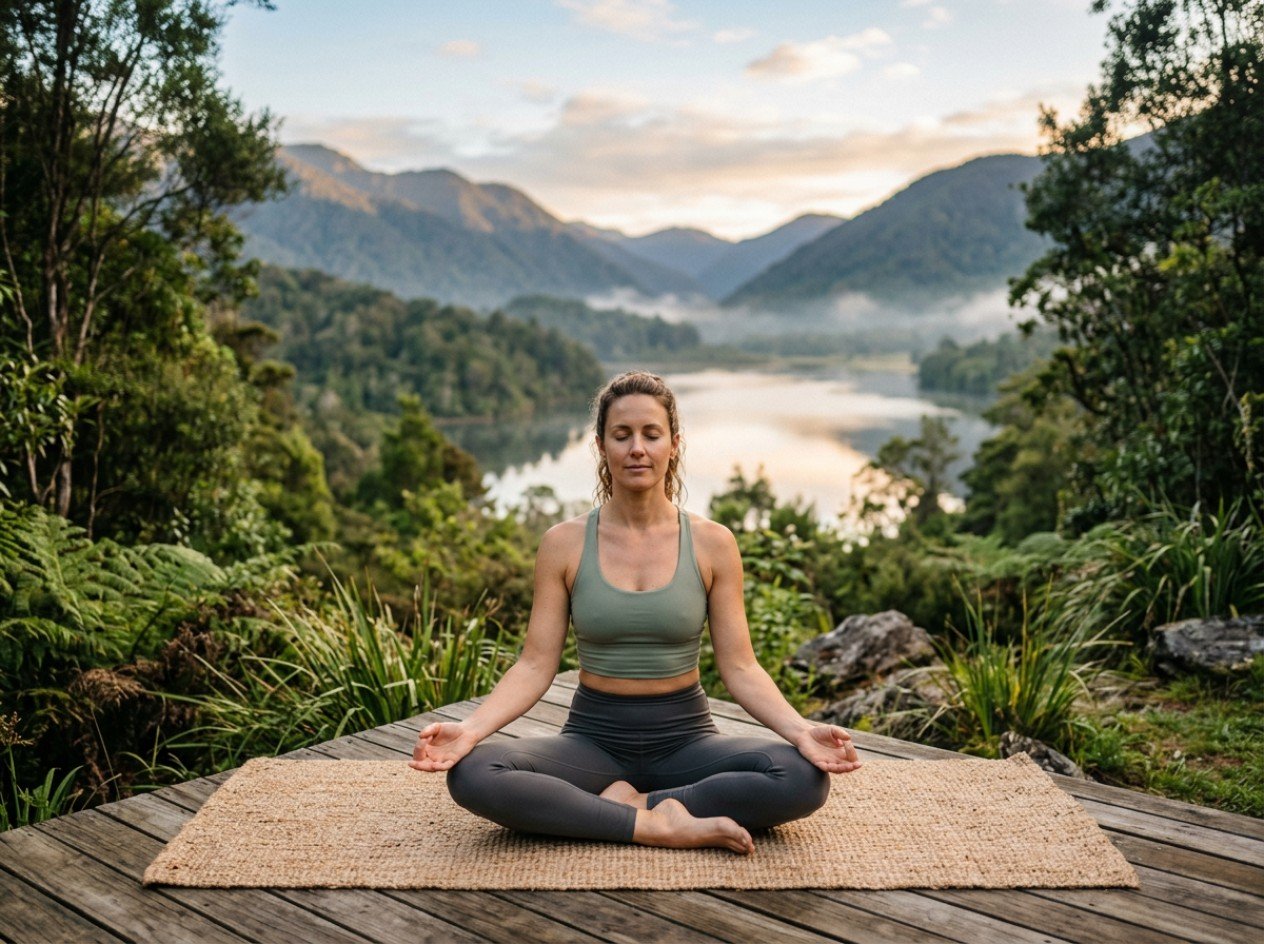
When people first begin exploring meditation, they often hope it will help them feel calmer, less anxious, or more spiritually grounded. Those are certainly worthwhile goals, but what many people find surprising is that meditation may also influence physical wellbeing.
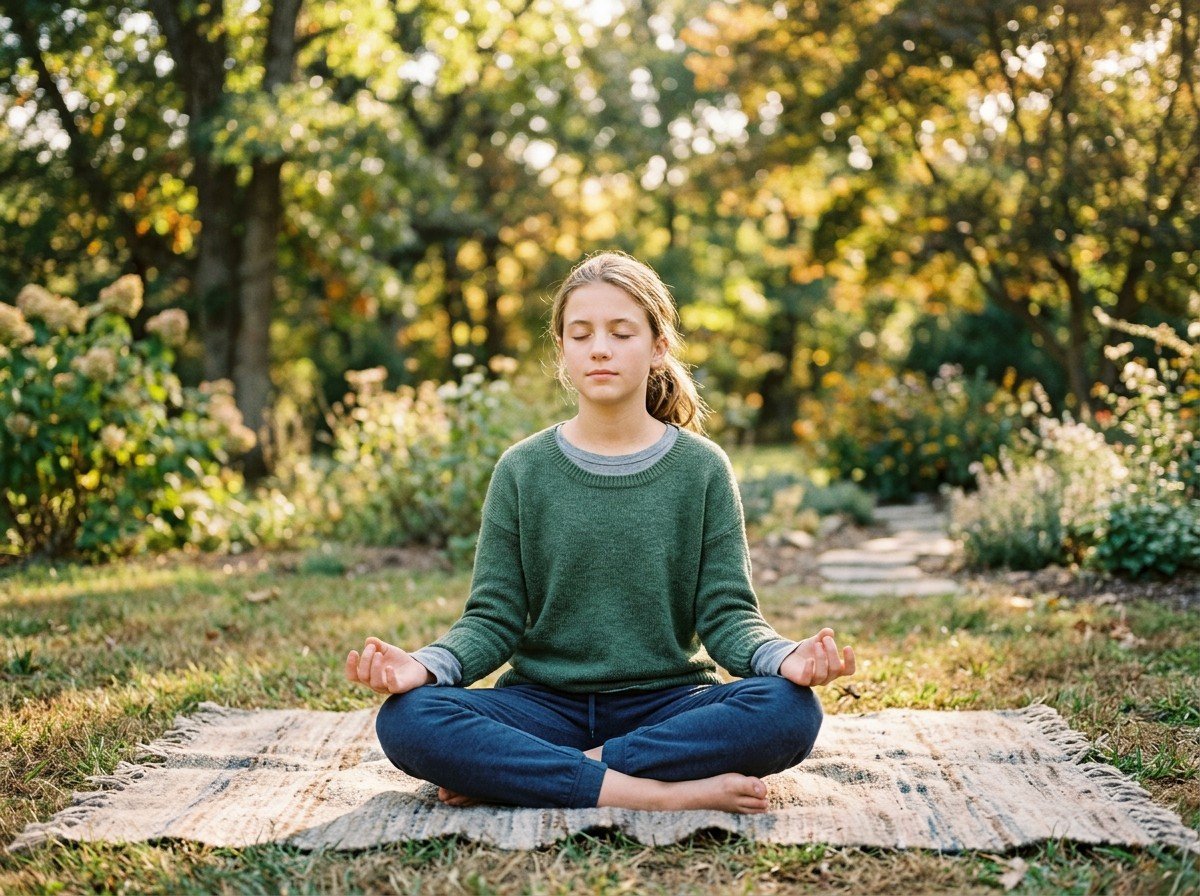
Living on the West Coast, I've noticed that meditation has become part of everyday life for many people. You'll find meditation studios tucked between coffee shops, mindfulness retreats in the mountains, and friends casually talking about their morning practice over lunch.
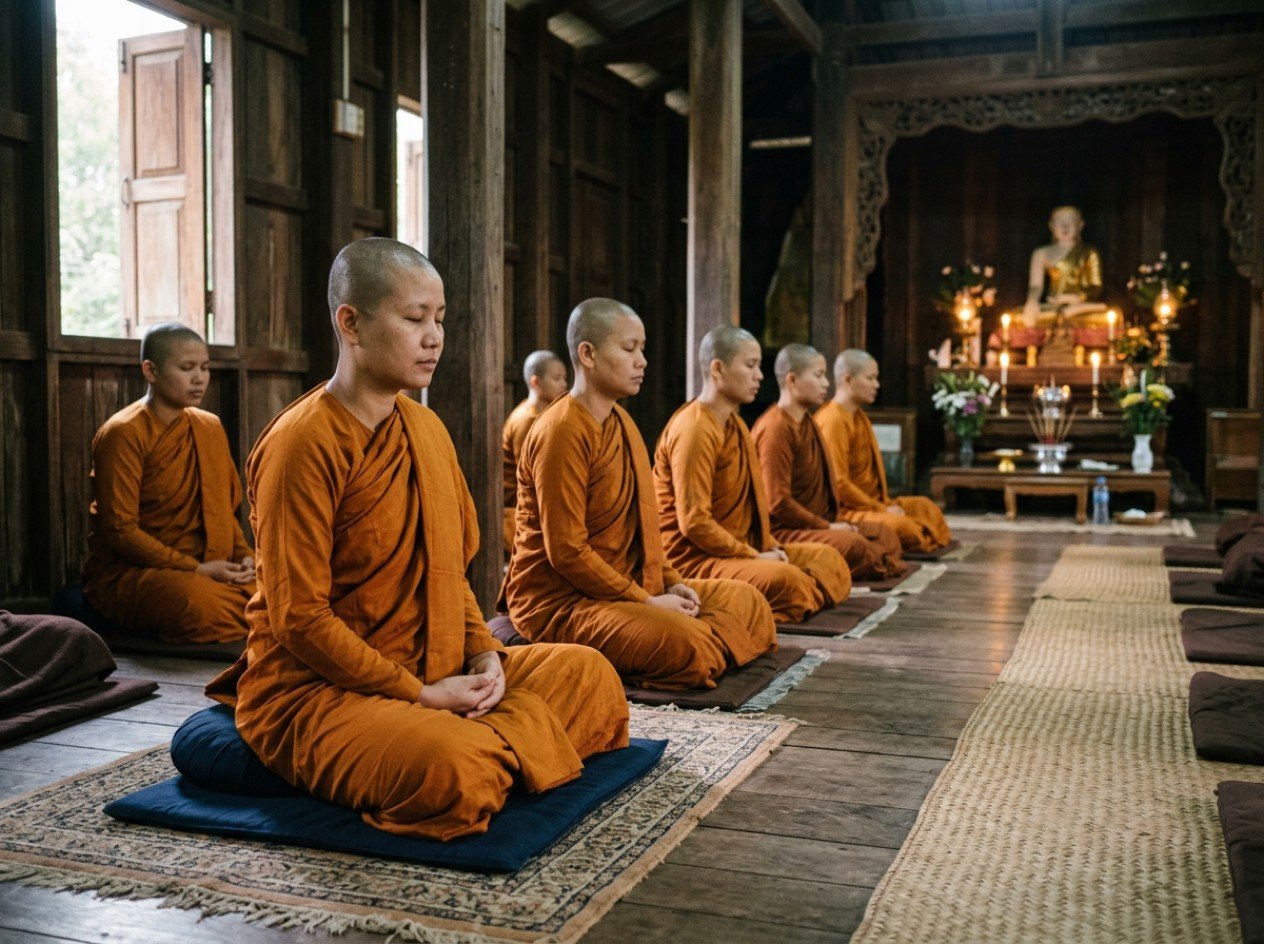
When people first hear the word "meditation," they often imagine someone sitting cross-legged on a mountaintop with a perfectly quiet mind. It's a lovely image, but the reality is both simpler and far more interesting. Meditation, especially within Buddhism, isn't about escaping the world or eliminating every thought that enters your mind.
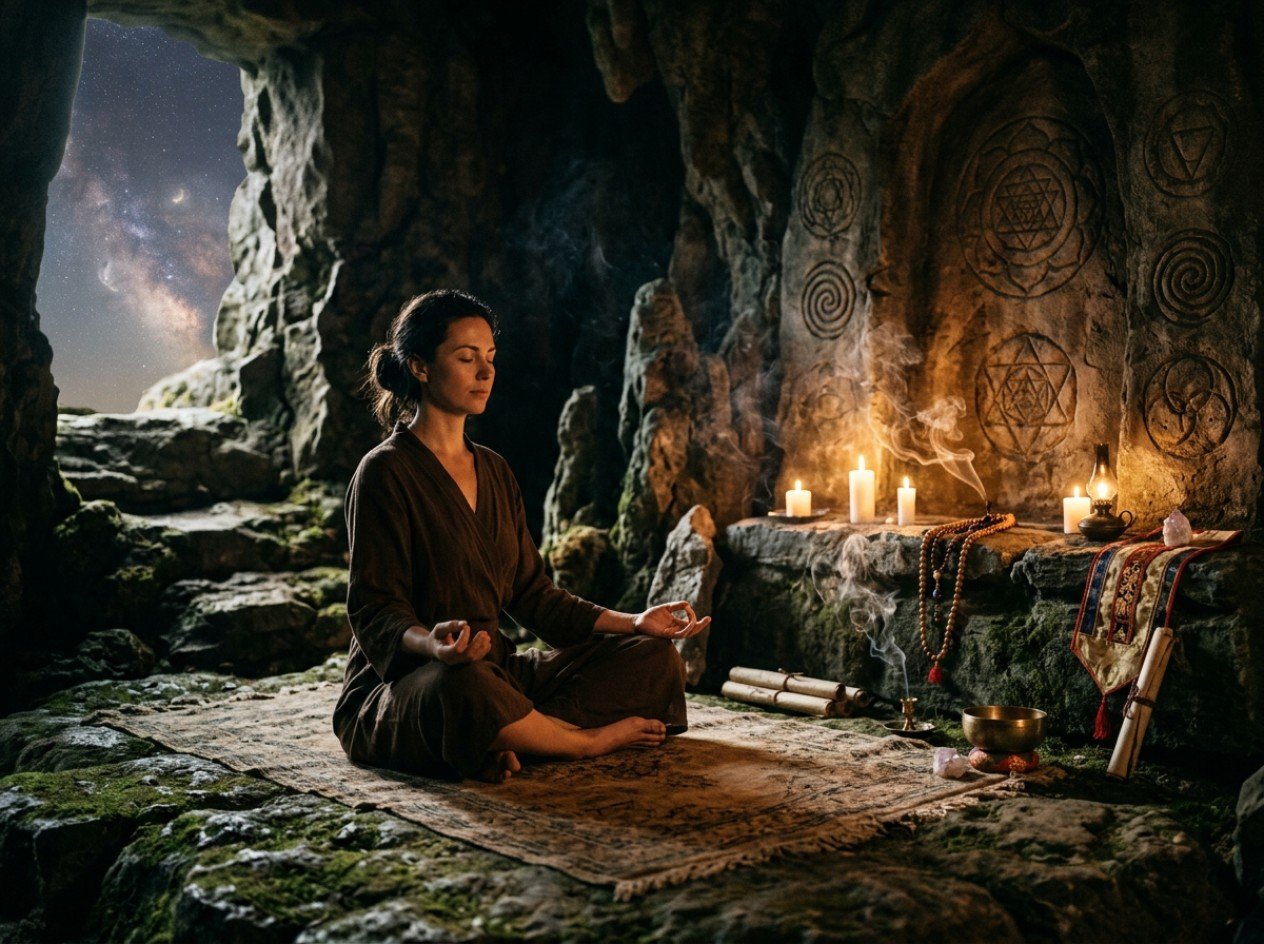
Meditation and mysticism have shared a close relationship for thousands of years. Across cultures, religions, and spiritual traditions, people have turned to periods of quiet reflection as a way of understanding themselves, finding inner peace, and exploring life's deeper mysteries.