

Home Blog
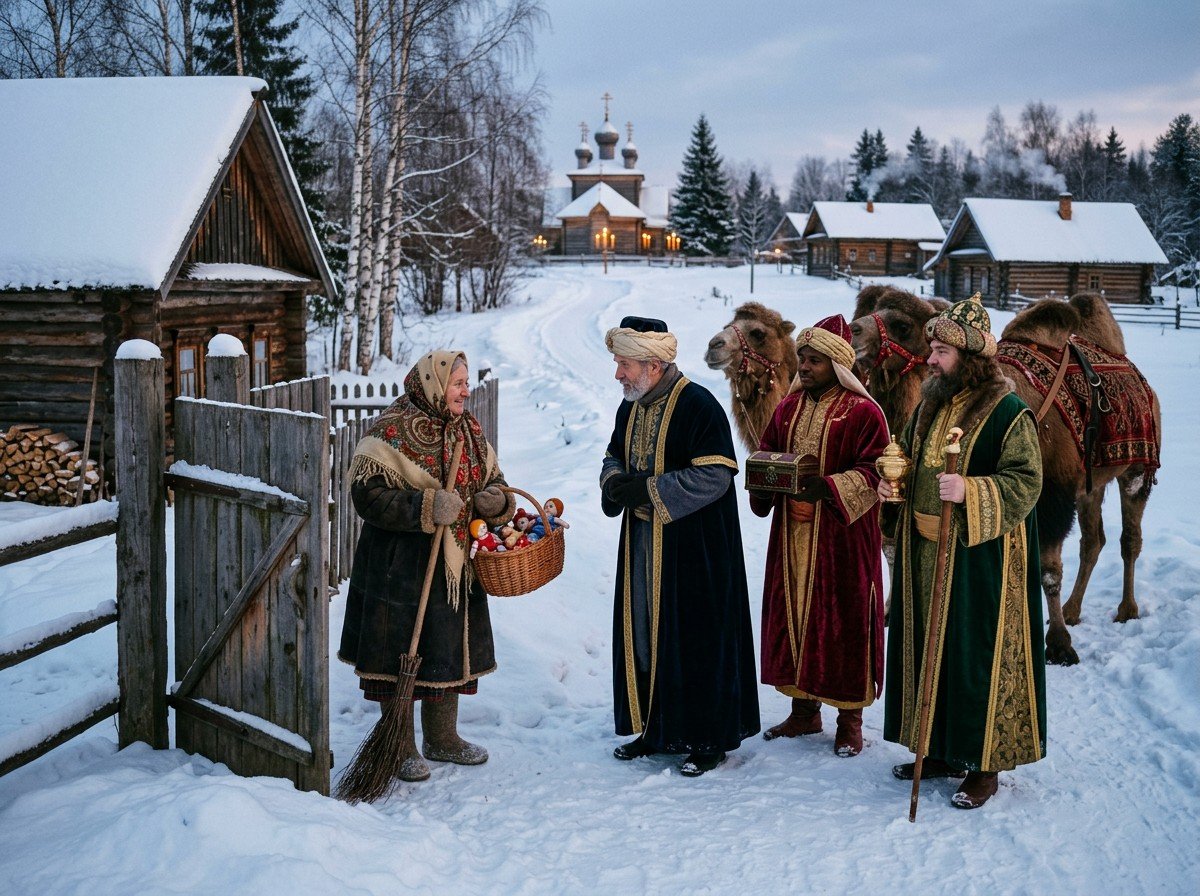
There is an uncomfortable scholarly truth at the heart of the Babushka legend that I feel obligated to address before we go any further, because I think it actually makes the story more interesting rather than less.

Living in a small town on the coast of Maine has taught me that the changing seasons are more than entries on a calendar. Here, winter announces itself with quiet determination, spring arrives almost shyly, summer fills the forests with birdsong, and autumn transforms the landscape into brilliant shades of crimson and gold.
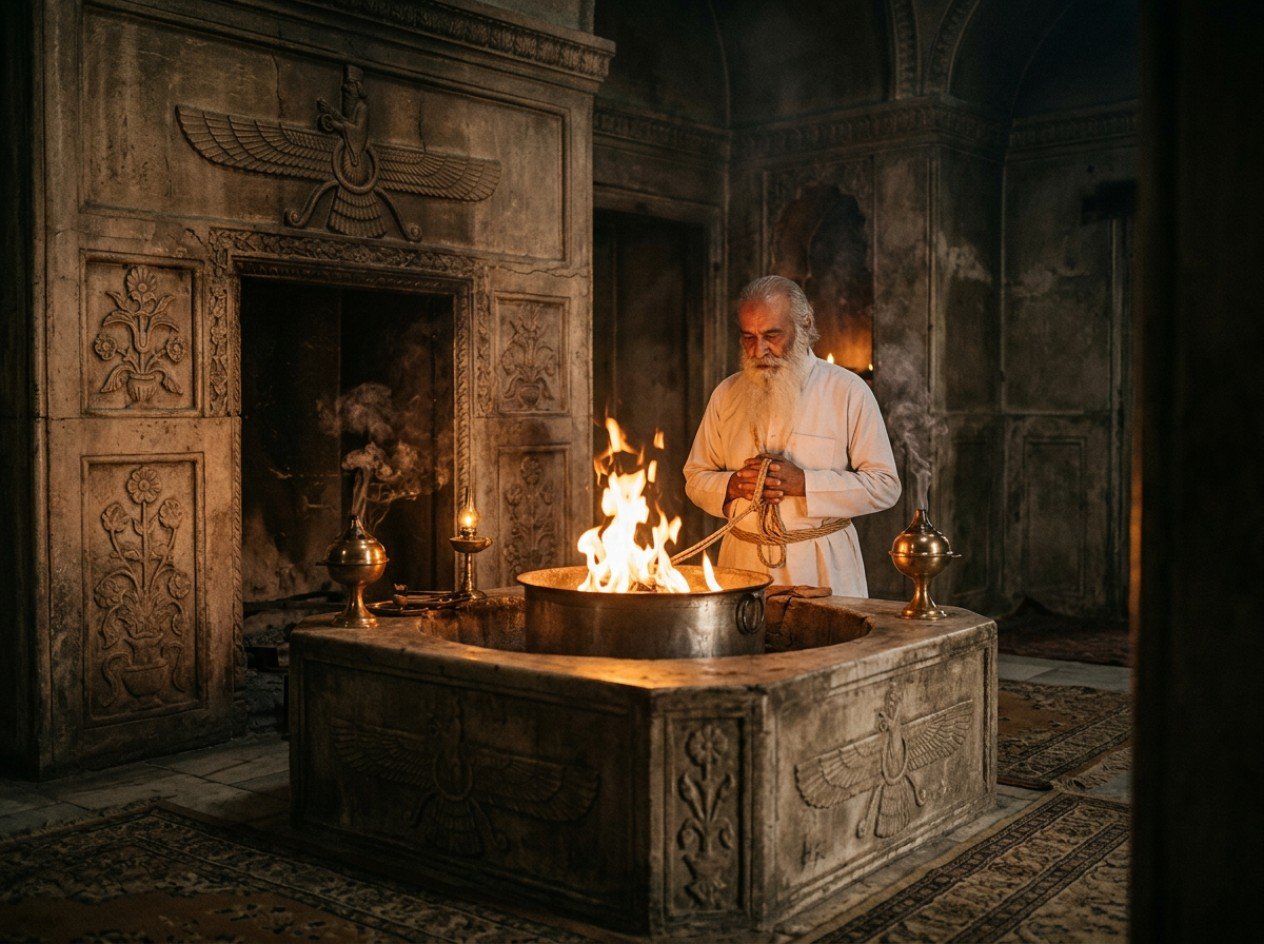
When students first encounter Zoroastrianism, they are often surprised to learn that it is one of the world's oldest continuously practised religions. Founded in ancient Persia, probably sometime between 1500 BCE and 1000 BCE—although scholars continue to debate the precise dates—it has profoundly influenced the development of later religious traditions, including Judaism, Christianity, and Islam.

Having Lived in the American Midwest, I've always felt a deep connection to the landscape. Wide prairies, winding rivers, changing seasons, and expansive skies have a way of reminding us that we are part of something much larger than ourselves.
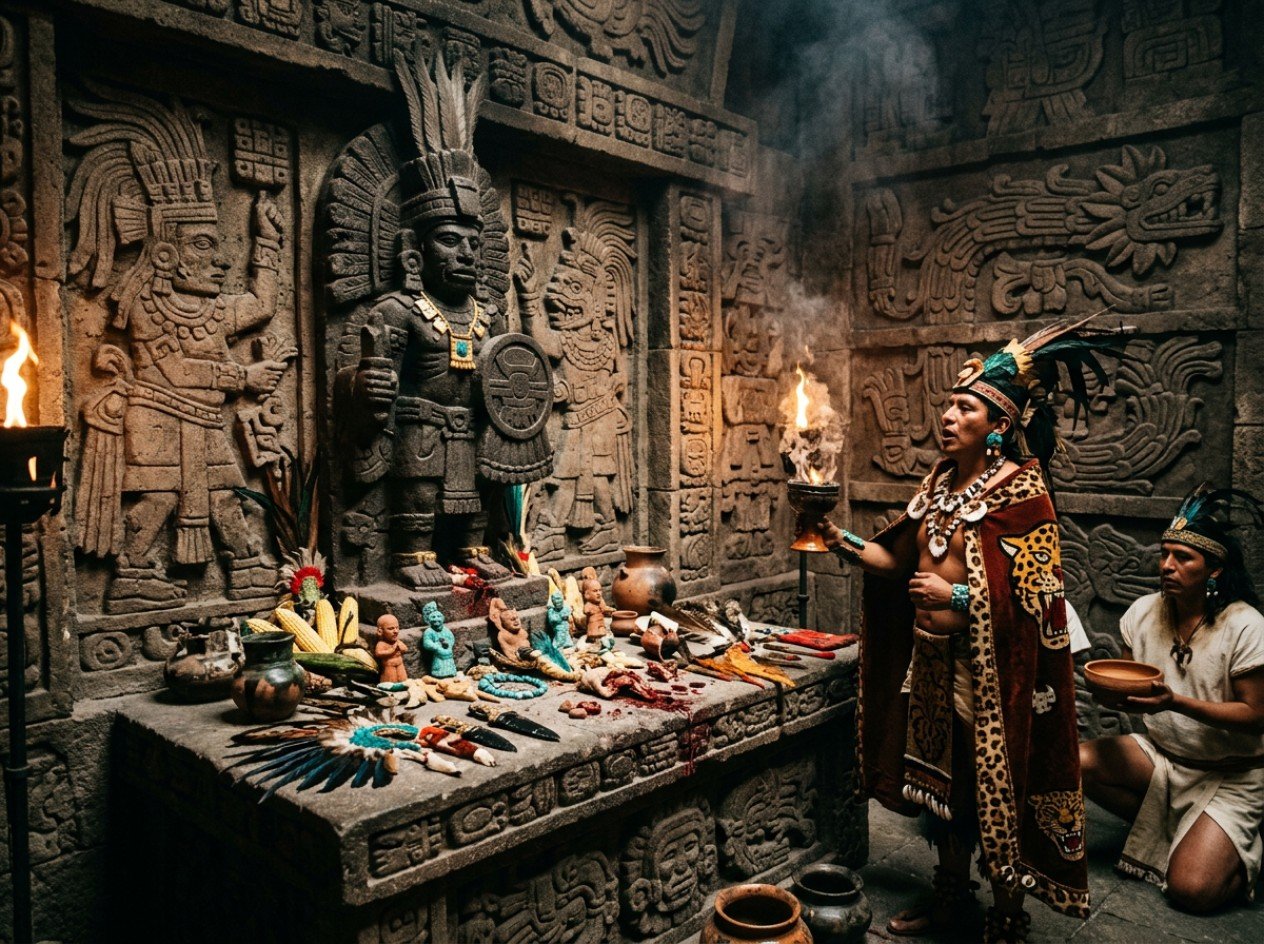
Among the great civilizations of the ancient Americas, few have captured the imagination quite like the Aztecs. Their magnificent capital city, sophisticated political organization, monumental architecture, vibrant artistic traditions, and richly symbolic religious beliefs continue to fascinate historians, archaeologists, and students of comparative religion.
Living on the East Coast has given me a wonderful appreciation for history. Whether walking through the colonial streets of Boston, visiting old churches in New England, or exploring museums in New York and Washington, I'm constantly reminded that traditions evolve over centuries rather than appearing overnight.
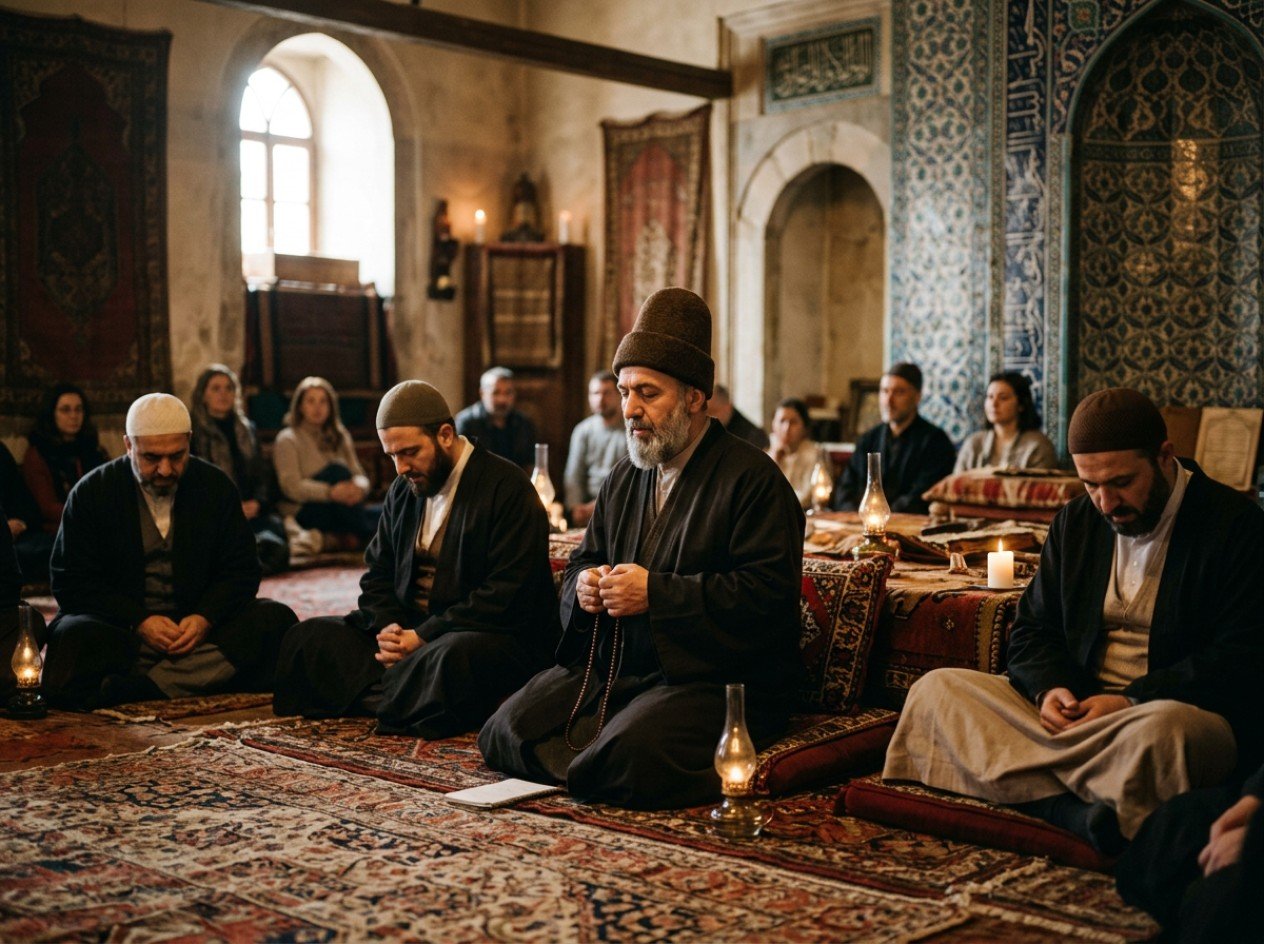
Sufism is one of the richest and most influential mystical traditions within Islam, yet it is also one of the most widely misunderstood. For some, the word immediately conjures images of whirling dervishes gracefully turning in meditation.
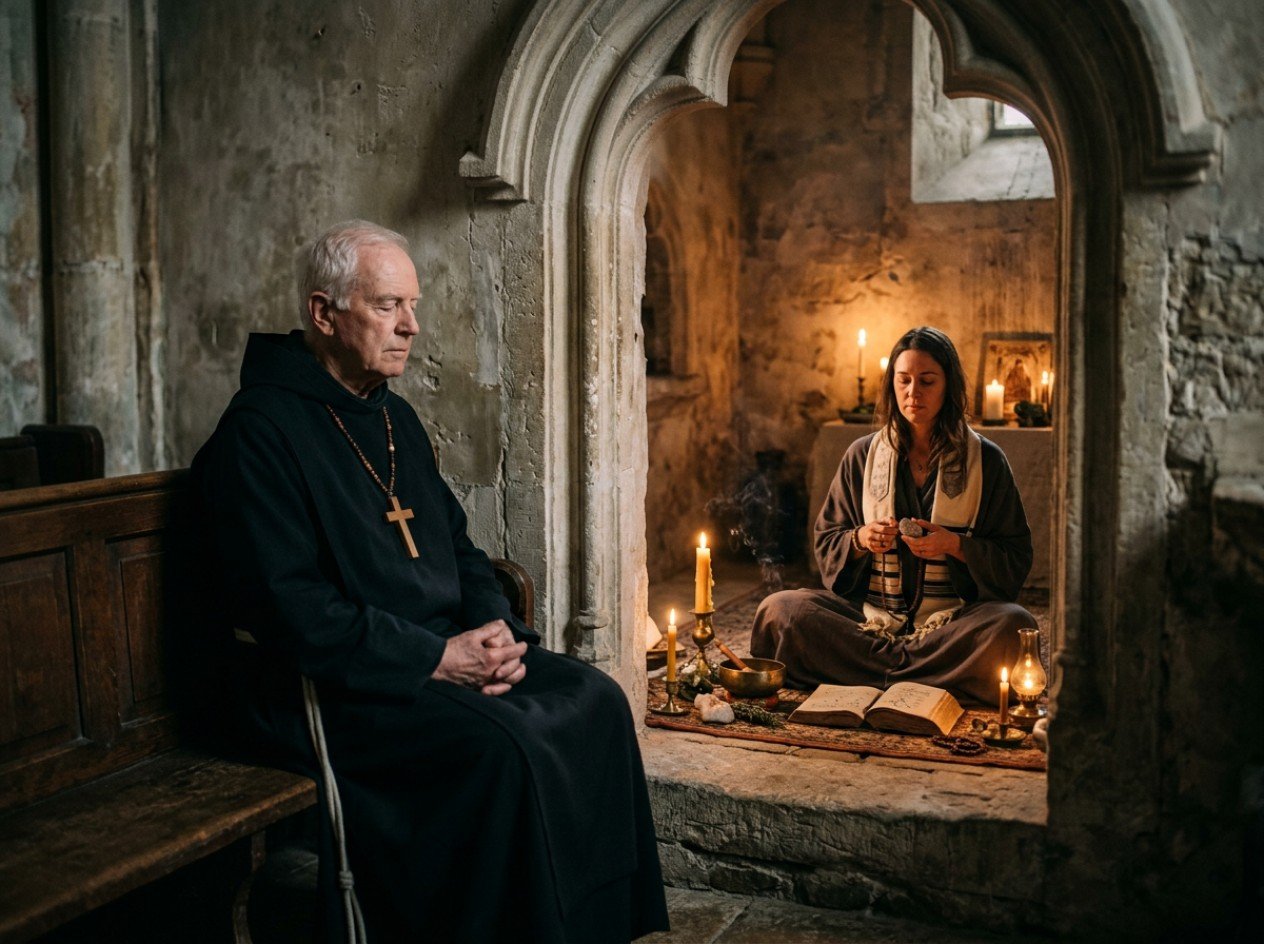
Religion and mysticism have walked side by side throughout human history. While religions often provide structure through teachings, traditions, and communities, mysticism explores the deeply personal experience of encountering the sacred.