

Home Blog

I moved from Boston to Maine several years ago, and there is a particular quality of August morning up here, the light already carrying the first hint of something cooler underneath the summer warmth, the angle of it changed just enough from July to notice, that always sends me back to Chinatown. To Harrison Avenue on a Sunday.
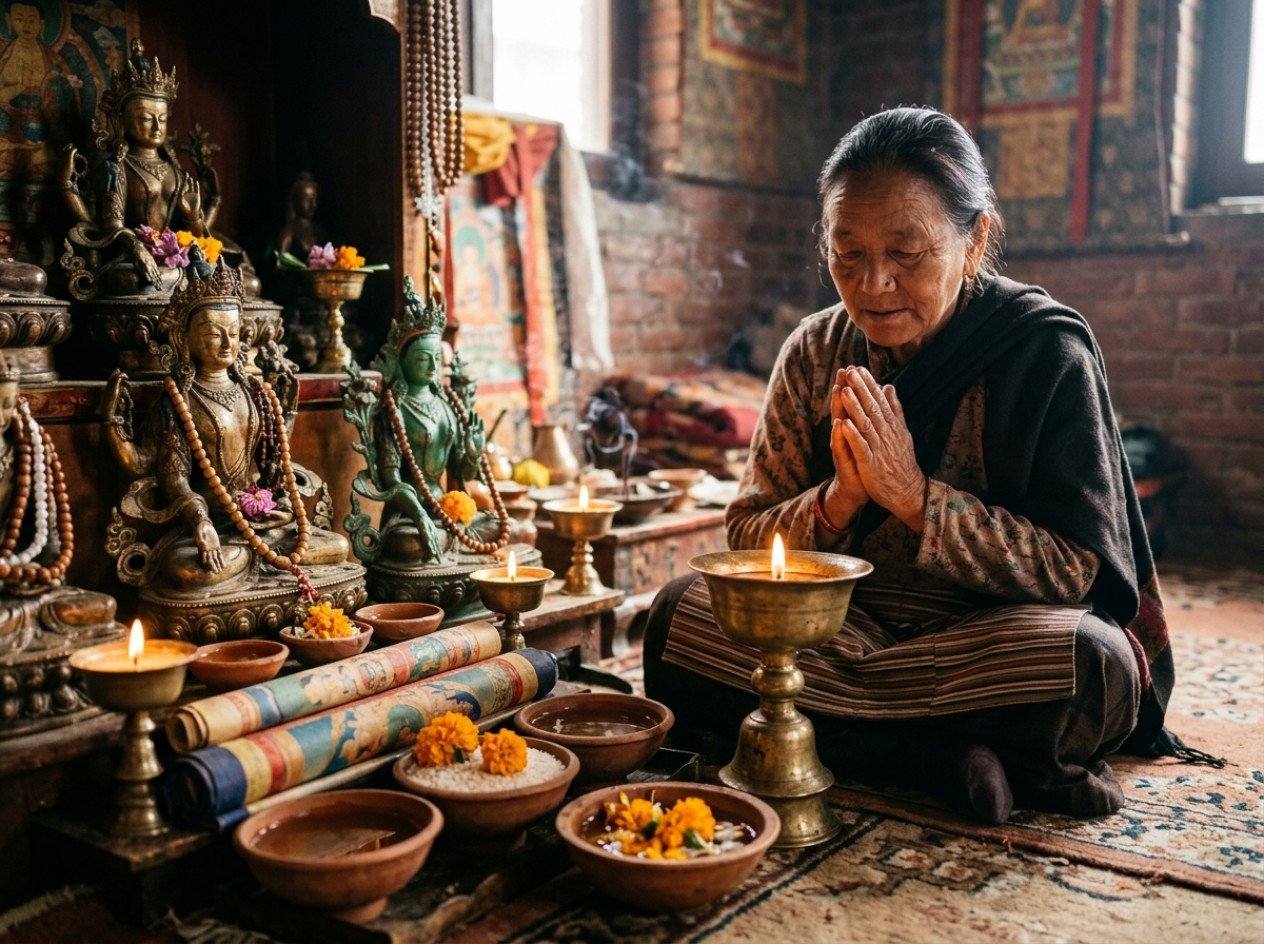
The word idol carries a weight of condemnation it has never entirely deserved. In its Greek original, eidolon, it simply means image or form. But somewhere in the long collision between monotheism and the religious practices it displaced, idol became a term of contempt

I should say upfront that I came to this subject sideways, the way academics usually come to anything that matters. My formal training is in cognitive psychology and continental philosophy, and for the first fifteen years of my career I would have been politely dismissive of anything involving the phrase "third eye."
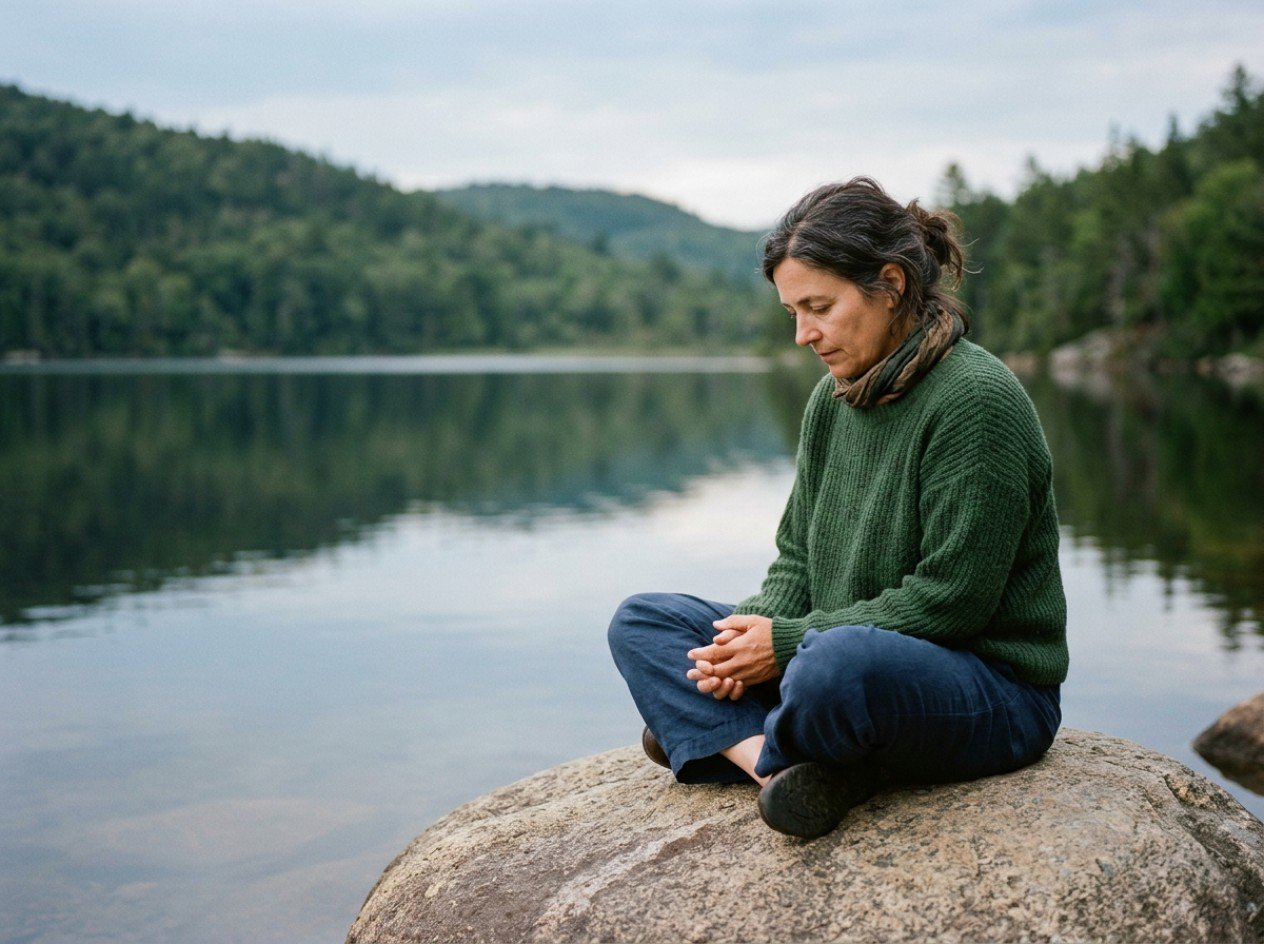
Living on the North-Eastern coast of America, I have always found that the changing seasons encourage reflection. The brilliance of autumn gives way to the quiet stillness of winter, followed by the hopeful renewal of spring and the energy of summer.
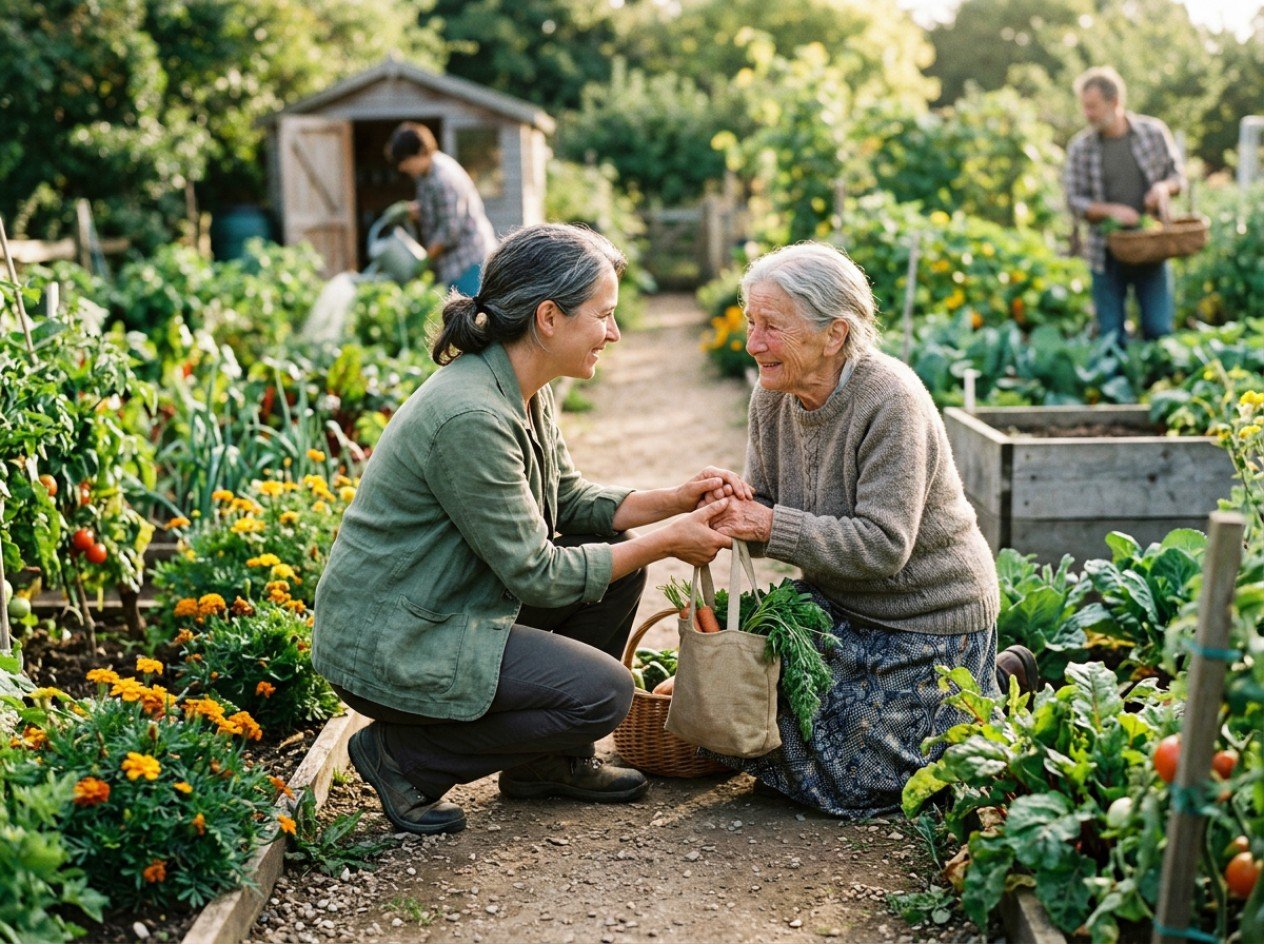
One of the questions that has occupied philosophers, theologians, psychologists, and spiritual teachers for centuries is remarkably simple: what helps us become better human beings? Throughout my years studying comparative religion and the history of spiritual traditions, I have encountered a remarkable degree of agreement on this subject.

One of the most common questions people ask me is, "Where do I begin?" They often imagine that spiritual growth requires extraordinary experiences, years spent studying ancient texts, or retreating to a monastery somewhere far removed from everyday life.
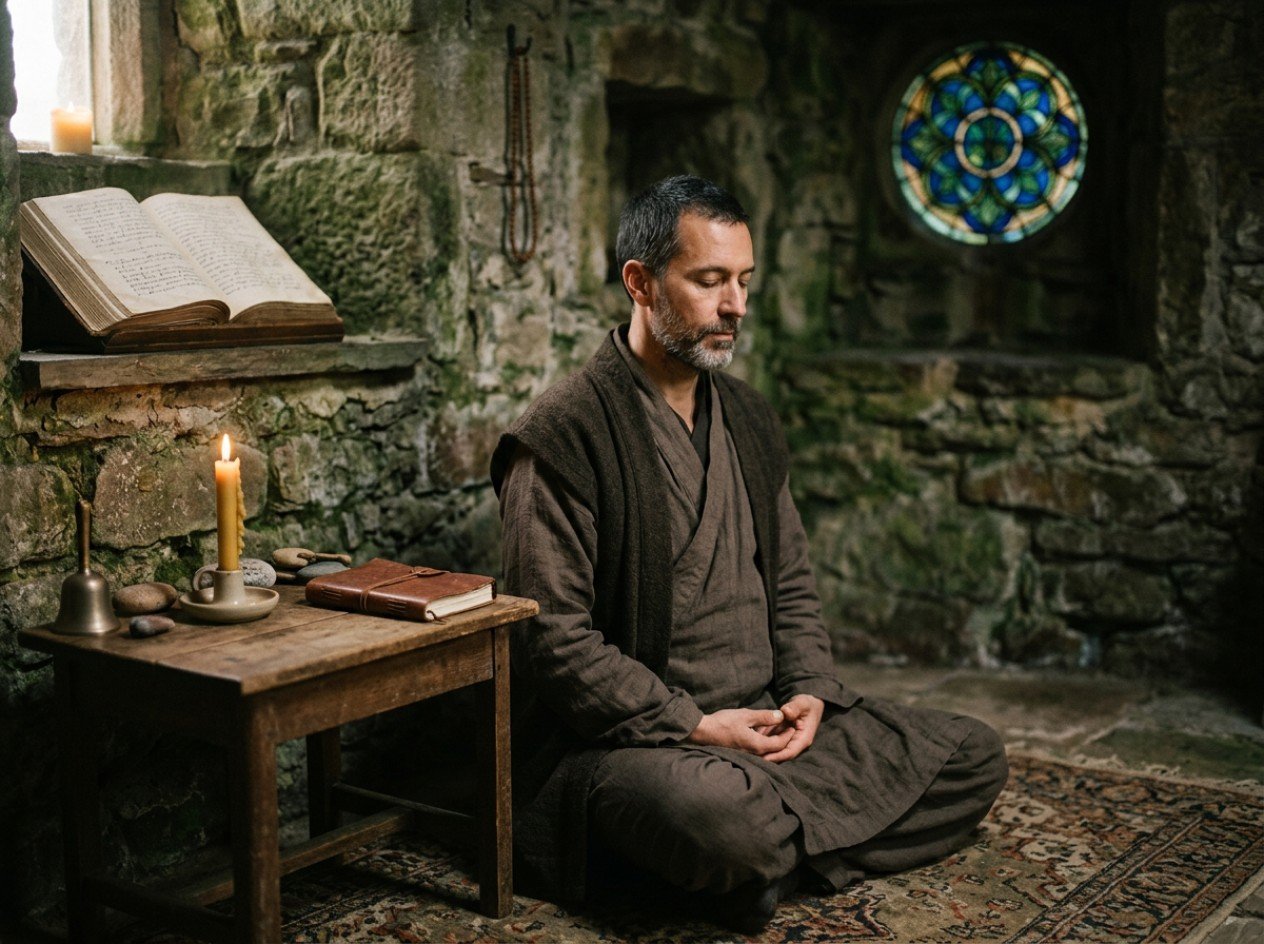
Spiritual development is a phrase we hear often, yet it can mean very different things to different people. For some, it involves deepening their religious faith. For others, it is about becoming more mindful, compassionate, or connected to the world around them.