An Introduction to Kabbalah & Jewish Mysticism
For centuries, Kabbalah has inspired scholars, philosophers, and spiritual seekers with its rich symbolism, profound teachings, and deeply contemplative approach to understanding the relationship between humanity and the Divine. While it is often described as the mystical tradition within Judaism, Kabbalah is much more than a collection of hidden teachings or ancient symbols. At its heart, it is a spiritual philosophy that encourages us to look beyond the surface of life and reflect upon the deeper patterns, meanings, and connections that shape our existence.
One of the reasons I find Kabbalah so fascinating is that it invites us to ask timeless questions rather than offering simple answers. Why are we here? What is the nature of the soul? How can we become better versions of ourselves? These are questions that people from every culture and every generation have pondered, and Kabbalah approaches them through symbolism, contemplation, ethical living, and a lifelong commitment to learning.
The word "Kabbalah" comes from a Hebrew root meaning "to receive." Traditionally, it refers to the transmission of spiritual wisdom that was passed from teacher to student over many generations. Rather than replacing the teachings of Judaism, Kabbalah developed as a way of exploring their deeper spiritual dimensions. Its purpose was never simply to reveal hidden secrets, but to encourage thoughtful reflection upon the relationship between the Creator, creation, and the human soul.
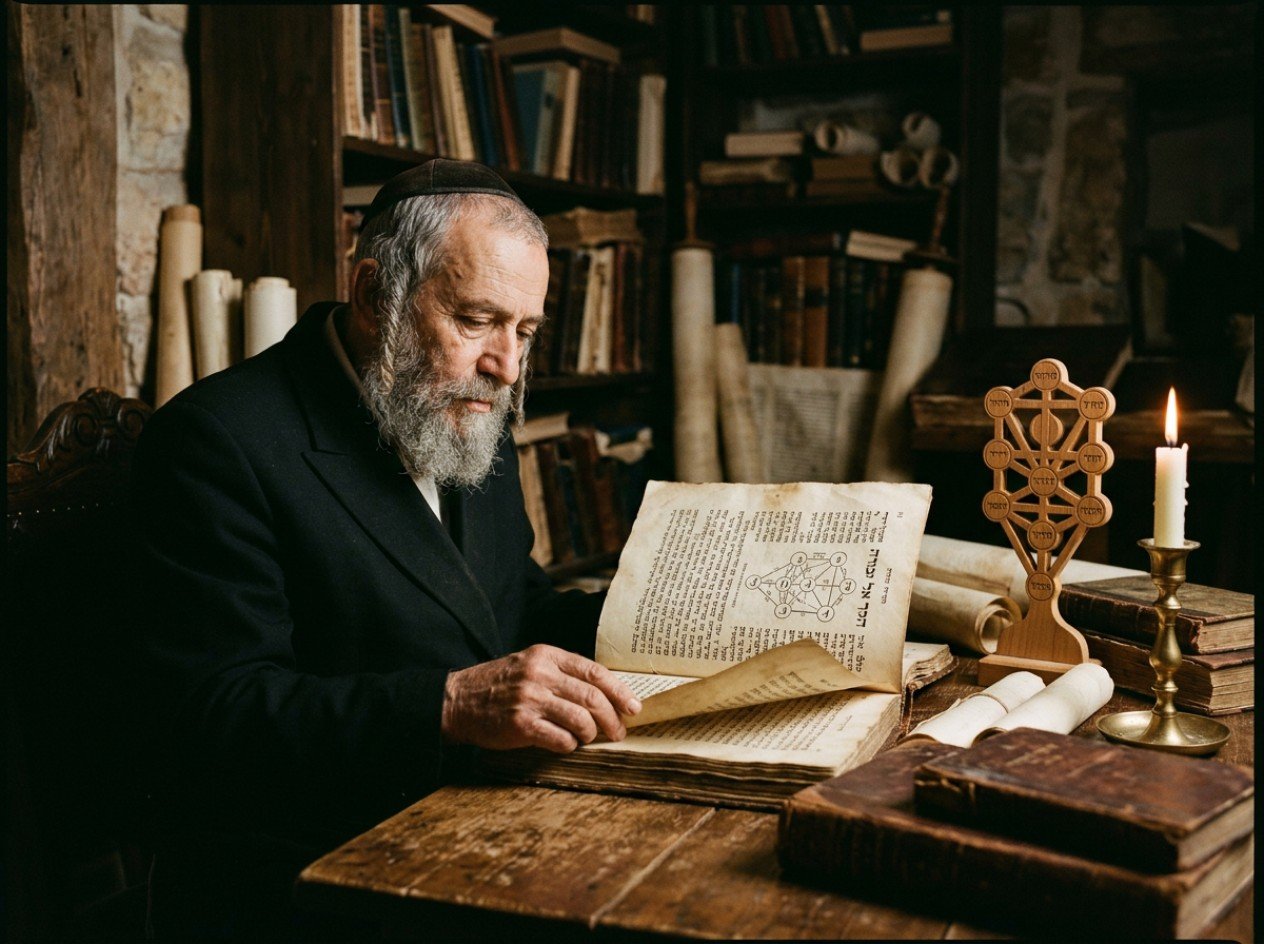
Many people first encounter Kabbalah through its most recognizable symbol: the Tree of Life. This beautiful symbolic diagram consists of ten interconnected spheres known as the Sephirot. Each Sephirah represents an aspect of Divine expression, such as wisdom, understanding, compassion, strength, beauty, perseverance, or sovereignty. Together they form a symbolic map that illustrates both the structure of creation and the qualities that individuals may seek to cultivate within themselves.
The Tree of Life & Mysticism
I have always appreciated that the Tree of Life can be understood on many different levels. Some view it as a map of spiritual reality, others as a guide to personal development, while many simply appreciate its elegant symbolism. Rather than insisting upon one correct interpretation, Kabbalah encourages careful contemplation. Every stage of study often reveals new insights, allowing the same symbol to carry fresh meaning throughout different stages of life.
Kabbalah teaches that human beings are capable of continual spiritual growth. Rather than viewing life as a fixed destination, it presents our journey as one of refinement and transformation. Every experience, whether joyful or difficult, offers an opportunity to develop greater compassion, wisdom, patience, humility, and understanding. This perspective resonates with many mystical traditions around the world, all of which suggest that personal growth is not measured by what we possess but by who we become.
One of the most beautiful ideas within Jewish mysticism is the belief that the material and spiritual worlds are deeply interconnected. Everyday actions matter. Acts of kindness, honesty, generosity, and compassion are not simply moral choices; they become expressions of spiritual purpose. Rather than separating the sacred from ordinary life, Kabbalah reminds us that even the smallest actions can contribute to bringing greater harmony into the world.
Another fascinating aspect of Kabbalah is its use of symbolism. Hebrew letters are often regarded as carrying profound spiritual significance beyond their role in language. Numbers, names, colours, light, water, trees, and countless other symbols appear throughout Kabbalistic writings. These symbols are not intended to function as puzzles with one hidden solution but as invitations to contemplate deeper truths. Their meanings often unfold gradually through study, reflection, and personal experience.
Mysticism, in its broadest sense, seeks direct awareness of deeper spiritual realities. Throughout history, Christian mystics, Sufi poets, Buddhist monks, Hindu sages, and Jewish Kabbalists have all described experiences of profound insight, unity, or closeness with the Divine. Although their languages and traditions differ, they frequently describe similar qualities: humility, compassion, love, wonder, and an awareness that reality is richer and more mysterious than our everyday perceptions suggest.
The Kabbalah & Hidden Knowledge
One common misconception is that Kabbalah is primarily concerned with hidden knowledge or supernatural powers. While mystical symbolism can certainly appear mysterious, the central focus of traditional Kabbalah has always been spiritual transformation. It encourages people to cultivate wisdom, deepen their understanding of sacred teachings, strengthen ethical character, and approach life with greater mindfulness and intention. Genuine mystical insight is seen not as an end in itself but as something that should inspire greater kindness and responsibility.
Today, interest in Kabbalah extends far beyond traditional Jewish communities. Many people are drawn to its symbolic richness, philosophical depth, and emphasis on personal development. This wider interest has encouraged valuable conversations about respecting the historical and religious context from which Kabbalah emerged. Appreciating its origins allows us to engage with its teachings thoughtfully while recognising the centuries of scholarship, devotion, and spiritual practice that shaped its development.
Modern readers often find meaningful connections between Kabbalah and subjects such as meditation, psychology, sacred geometry, mindfulness, and comparative mysticism. The Tree of Life has inspired artists, philosophers, therapists, and spiritual teachers alike, while its symbolic language continues to offer fresh perspectives on human growth and self-understanding. Whether approached from a religious, philosophical, or symbolic perspective, Kabbalah encourages us to examine ourselves with honesty and compassion.
One lesson that continually resonates with me is Kabbalah's emphasis on balance. Compassion is strengthened by wisdom, strength is guided by mercy, and knowledge becomes meaningful when expressed through ethical action. These qualities remind us that spiritual development is not achieved through dramatic experiences alone but through the quiet choices we make each day. Every conversation, every decision, and every act of kindness becomes part of our own spiritual journey.
Perhaps this is why Kabbalah continues to inspire people after so many centuries. It speaks to something deeply human: our desire to understand ourselves, to find purpose, and to live with greater awareness. It does not ask us to abandon reason or ignore the complexities of life. Instead, it invites us to cultivate curiosity, humility, and thoughtful reflection while recognising that some of life's greatest mysteries are meant to be explored rather than fully solved.
As you continue exploring the many branches of mysticism, Kabbalah offers a beautiful reminder that wisdom is rarely acquired overnight. It grows through study, contemplation, compassion, and experience. Whether you are fascinated by the symbolism of the Tree of Life, the philosophical questions that Kabbalah raises, or simply its invitation to live with greater purpose, this remarkable tradition encourages us to view life as a sacred journey of continual learning. For me, that is perhaps its greatest gift: not the promise of hidden secrets, but the gentle encouragement to keep seeking wisdom with an open heart, an inquisitive mind, and a genuine desire to become a kinder and more thoughtful person.